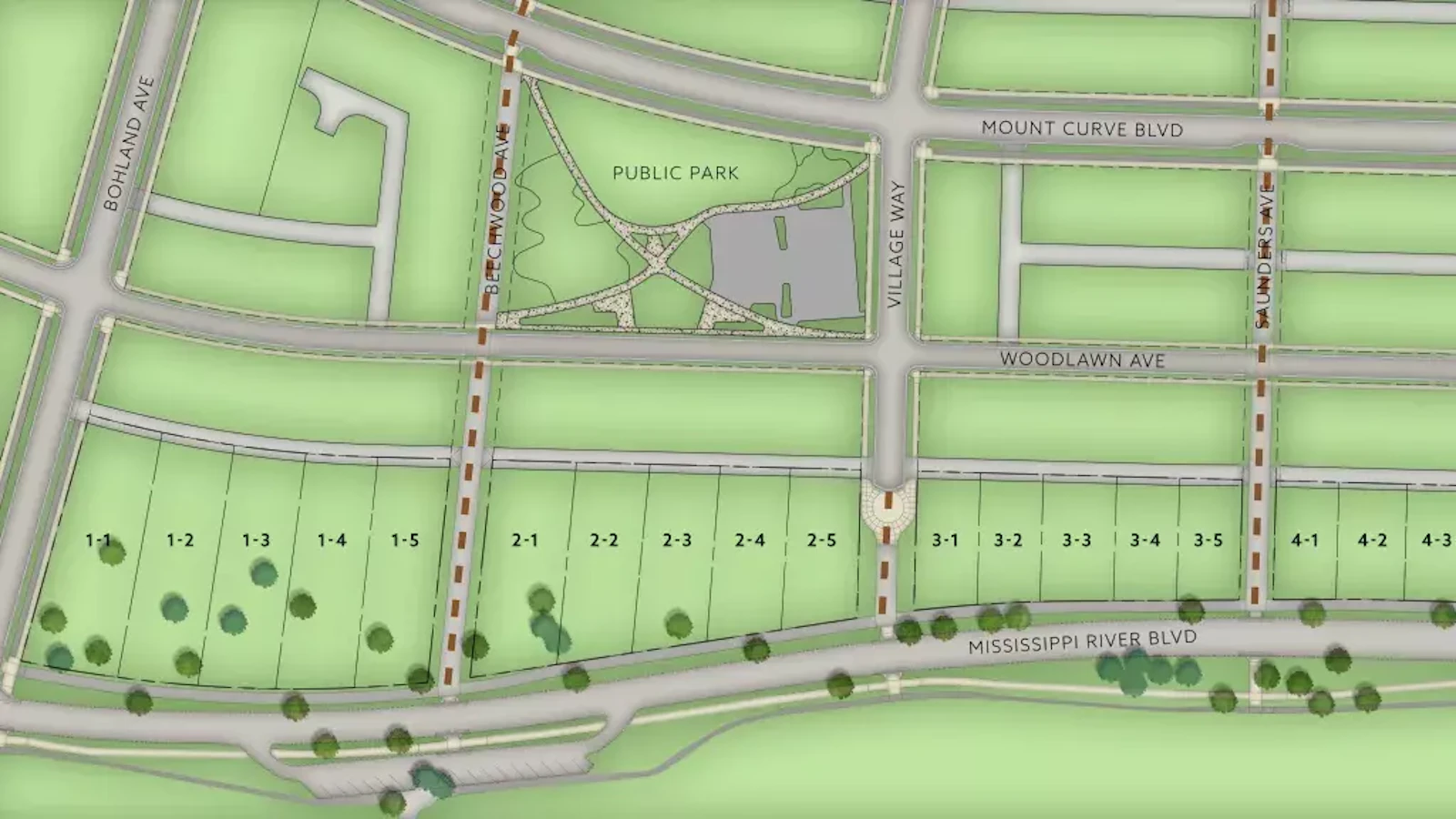
Highland Bridge is a rare opportunity to build a custom home along the Mississippi River in the heart of St. Paul. The community spans 55+ acres of parks and greenways and is designed to be Minnesota's most sustainable neighborhood.
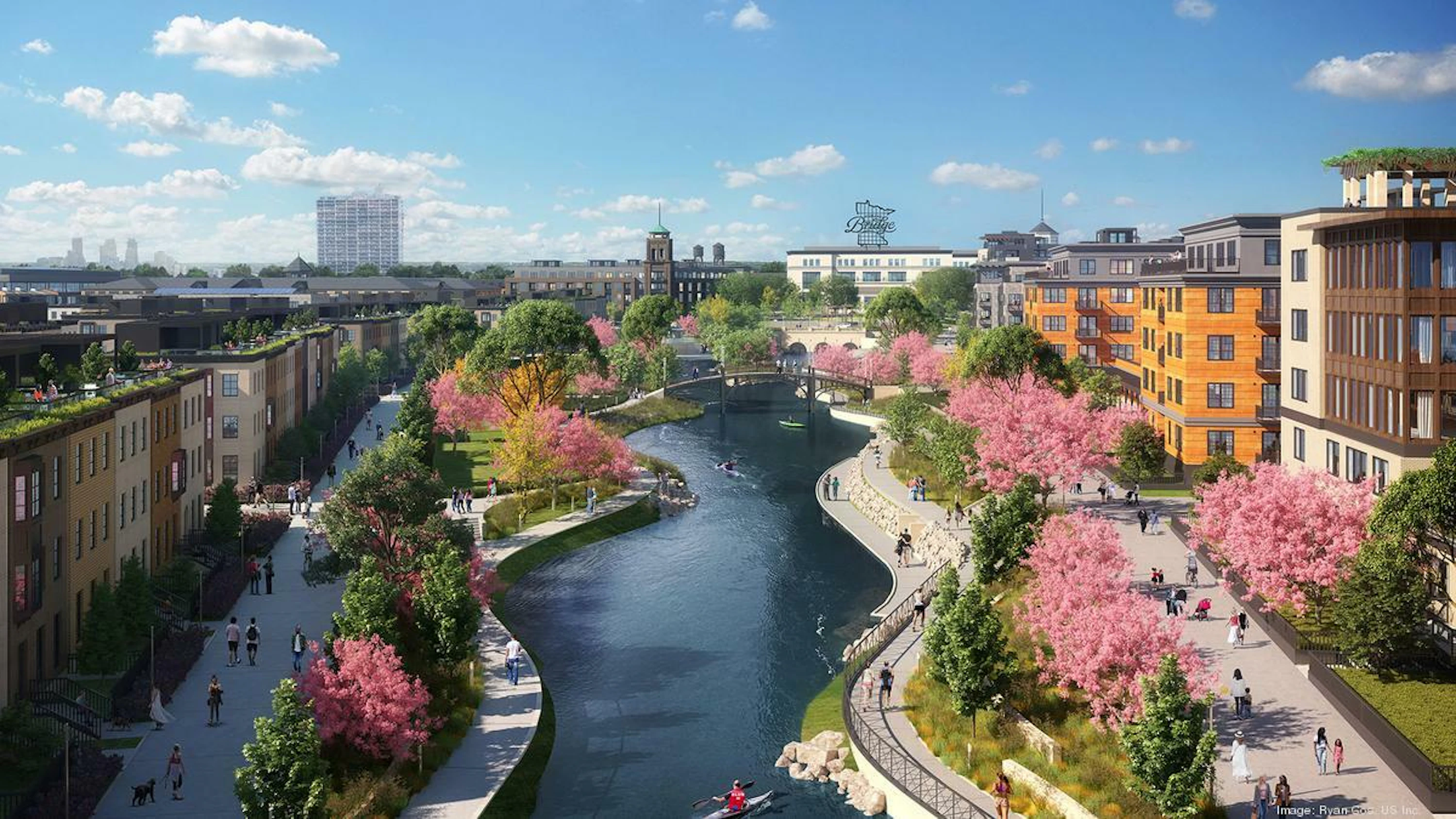
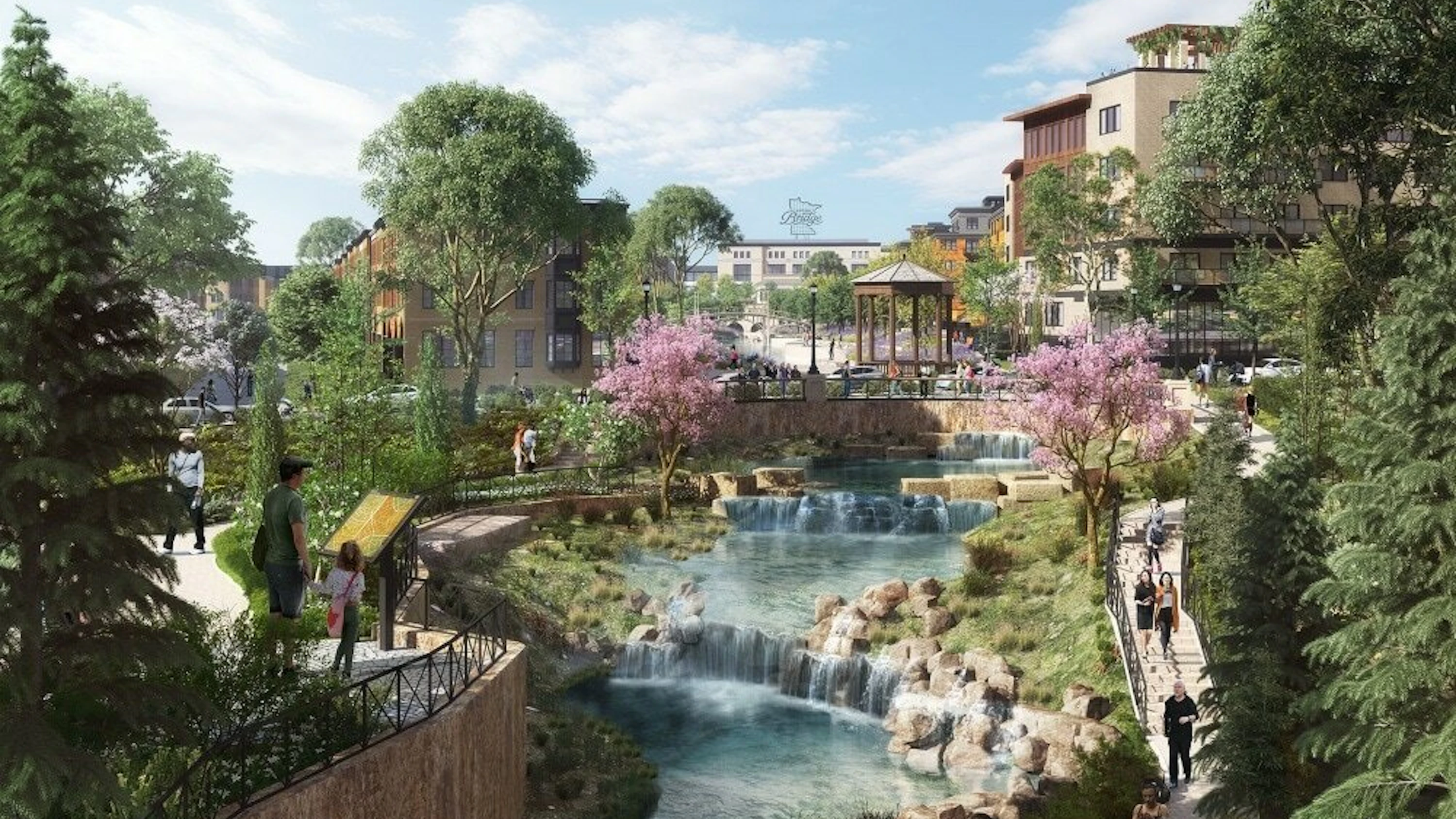
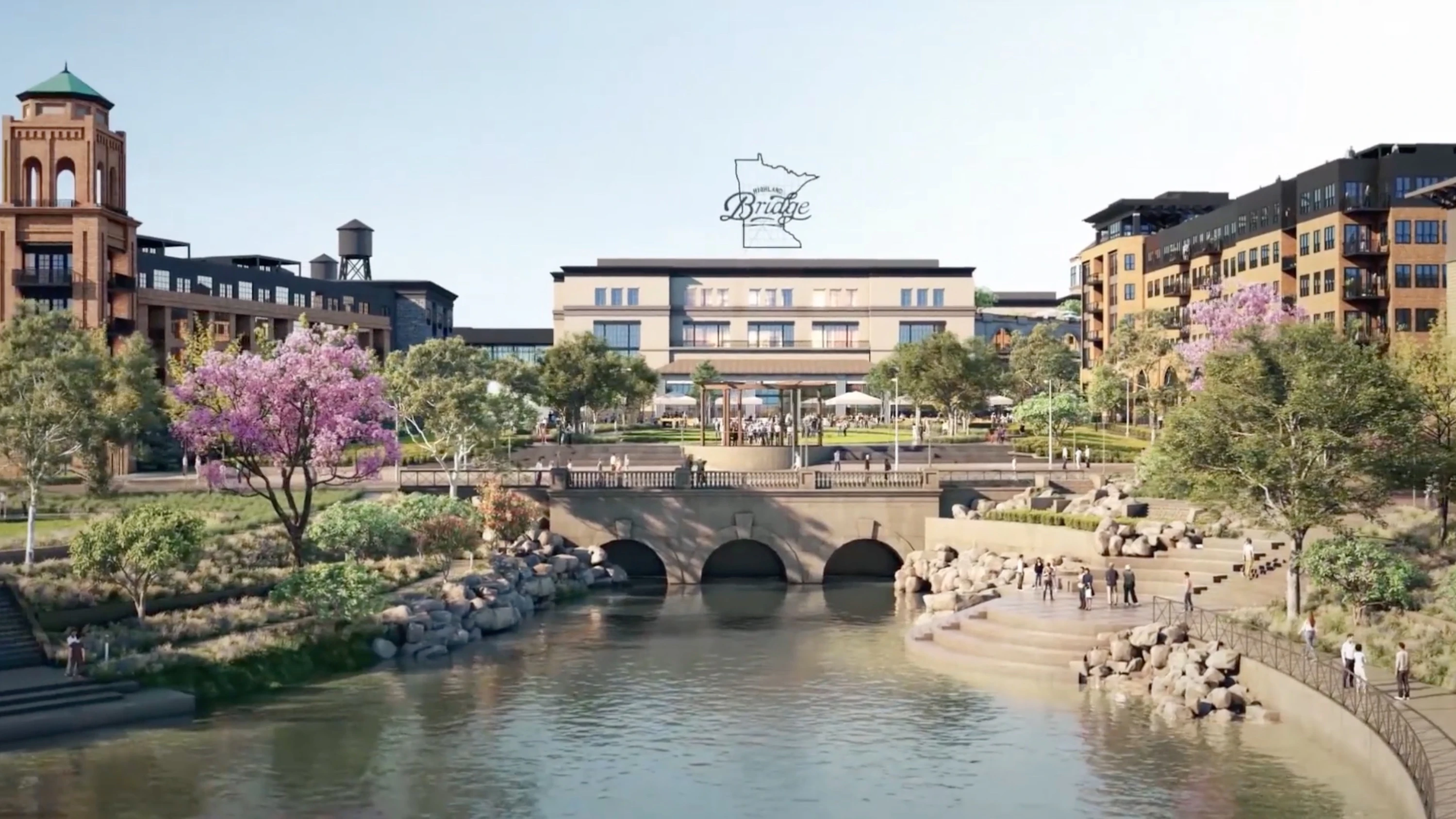
Highland Bridge balances city convenience with natural beauty, walkable dining and shopping, river access, and miles of trails, all within one connected community.
The Highland Bridge Development is rooted in a genuine commitment to environmental responsibility, with every element thoughtfully considered to reduce impact and enhance long-term livability. They've partnered with a select group of builders and architects who share this commitment, with we're proud to be among them.
Electricity at Highland Bridge comes from 100% carbon-free, renewable sources. The Twin Cities' largest urban solar array, a one-megawatt installation on an adjacent Ford Motor Company parcel, powers the community. At full build-out, the neighborhood will consume approximately five megawatts while nearby Xcel facilities produce nearly 20 megawatts of renewable energy.
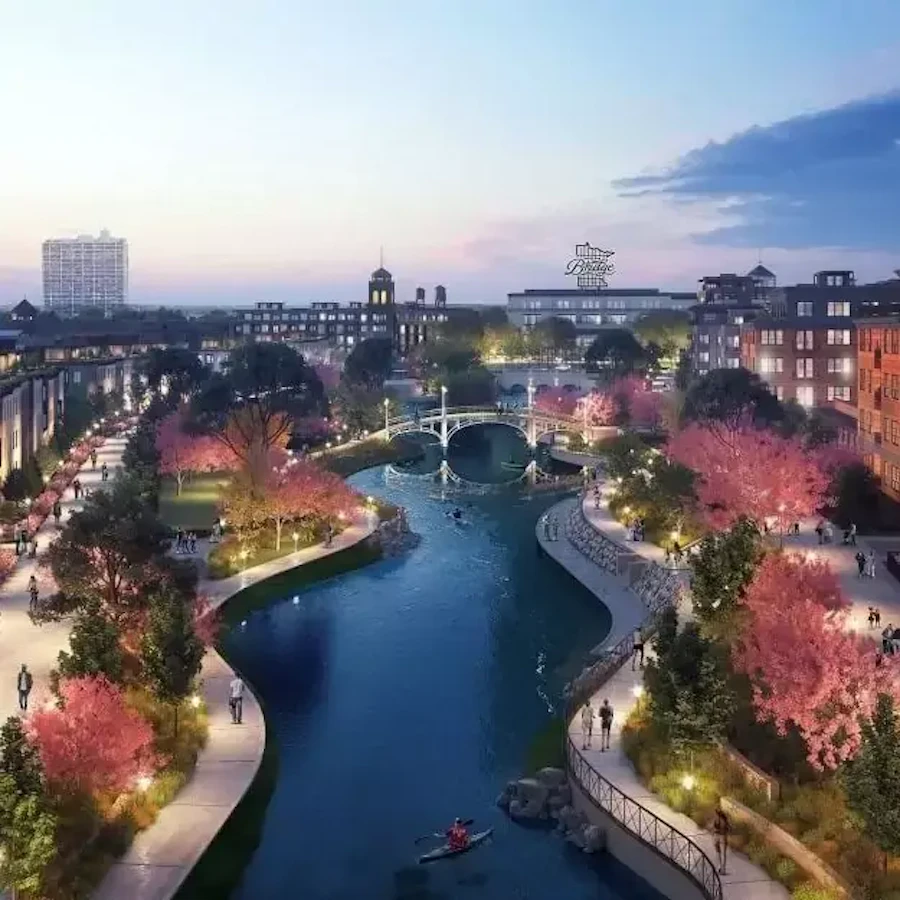
Highland Bridge's stormwater system captures 94% of total suspended solids and improves phosphorus capture by 75%. Collected stormwater feeds a central water feature used for kayaking and ice skating, while nearly three acres of biofiltration supports clean water flow into the Mississippi River and Hidden Falls Regional Park.
The development restores Hidden Falls Creek, which was buried during the original Ford plant's construction. The new stormwater strategy reduces discharge from the site to Hidden Falls by 98%, reversing decades of untreated runoff flowing into the Mississippi.
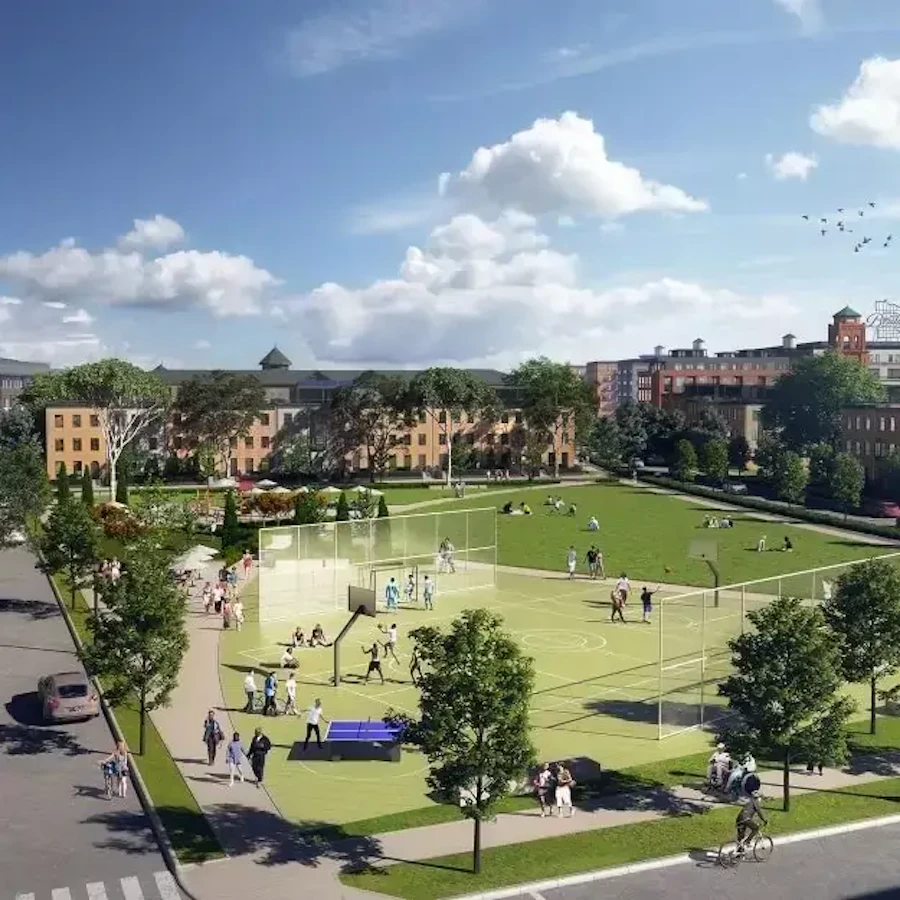
Over 1,000 trees will be planted across Highland Bridge's 50+ acres of parks and open space. Native, non-invasive species line the boulevards and civic areas. Landscaping is designed to use 50% less water than traditional irrigation, with walking trails connecting to adjacent neighborhoods and trail systems.
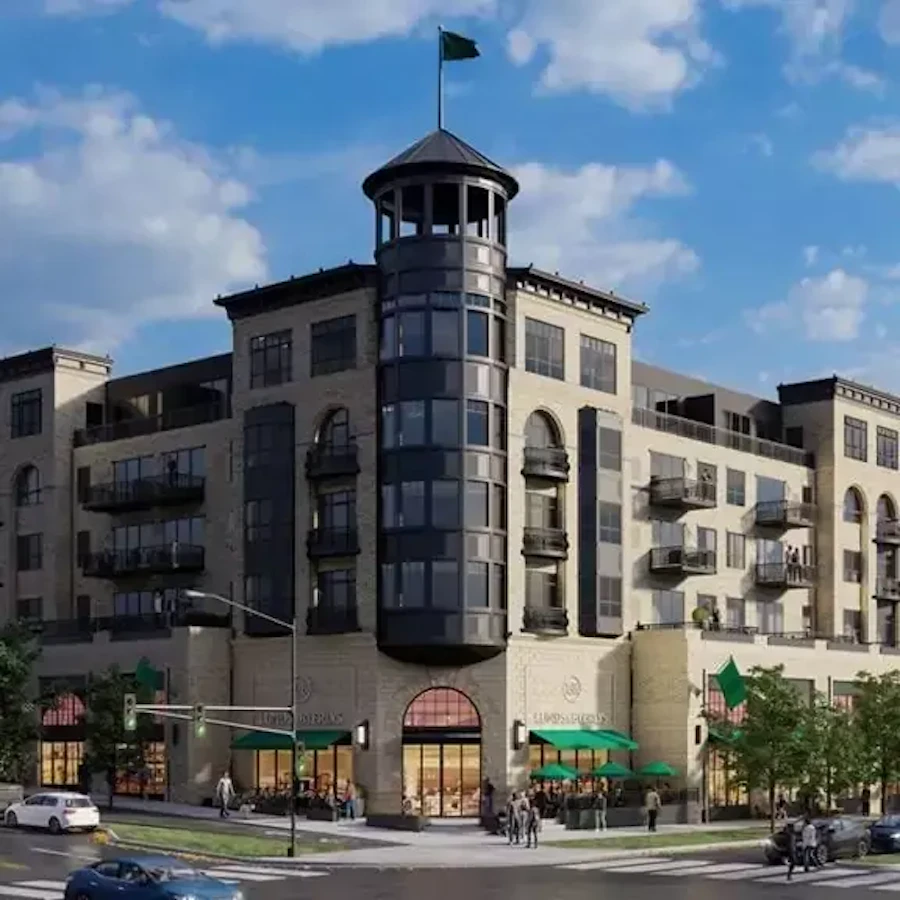
Highland Bridge is built for low-emission living. The development includes 100+ EV charging stations, all building entries within a quarter mile of public transit, and 10 miles of new pedestrian and bike paths. Car sharing, scooters, and other shared transit options are planned throughout the site.
Our four custom homes at Highland Bridge showcase a range of design styles, from modern and contemporary to Scandinavian-modern. Each is thoughtfully designed around the people who live there, while reflecting our commitment to intentional design, sustainability, and high-performance building.
Build your custom home along the Mississippi River with a team of architects, engineers, and artisans dedicated to innovative, high-performance design. Lots are available now.