S9 - Logo - Mark

Contemporary vs. Modern Home Design: What's the Difference?

November 11, 2021

What truly separates modern design from contemporary living

Key Differences Explained

Learn how modern and contemporary home designs are different in history, architecture, and interiors. Find out which style fits your home best. When it comes to home design, the terms "modern" and "contemporary" are often used interchangeably, but they represent distinct styles with unique histories and evolving aesthetics.

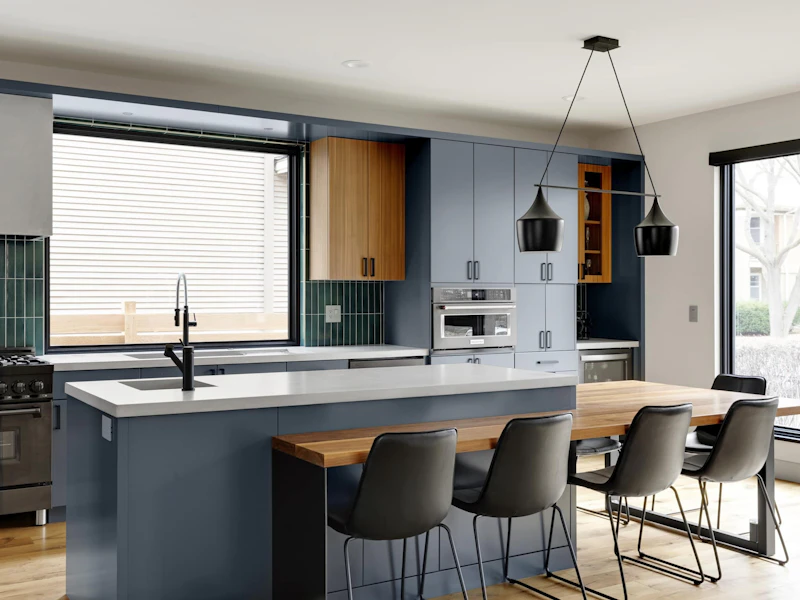
AHT Sustainable9 944 Mississippi 010
03 Unfold Ivey Round Three Photography Front Exterior Golden Hour
1. Modern Design

Timeless Precision Rooted in History

Originating in the early to mid‑20th century and heavily influenced by Scandinavian minimalism and the Bauhaus movement, modern design emphasizes the principle of "form follows function." Think clean lines, geometric shapes, symmetrical layouts, and a restrained color palette dominated by warm neutrals. This style focuses on natural materials like wood, leather, and stone. These materials are used in their true forms to make lasting and useful spaces.

2. Contemporary Design

The Fluid Style of Now

In contrast, contemporary house design is less tied to a specific period and more reflective of current trends. Since the 1970s, this style has been evolving, drawing from modernism, postmodernism, Art Deco, and beyond.

Contemporary interiors
often feature an open floor plan, sculptural forms, mixed textures, and bold accents that evolve alongside design trends. Neutral palettes remain foundational, but designers elevate the look with dynamic pops of color, statement furnishings, and layered materials.

3. Key Differences

Style and Structure differences in Interior Design

While both aesthetics share a minimalist foundation, their stylistic directions diverge clearly:

Structure vs. Flexibility: Modern homes are known for their structured, balanced architecture and predictable materials. Contemporary homes embrace artistic freedom, celebrating asymmetry and fluid forms.

Materials: The modern palette leans toward medium to dark woods, chrome, acrylic, leather, and concrete, reflecting a mid‑century industrial sensibility. Contemporary design, on the other hand, often incorporates lighter woods, eco‑friendly materials, and recycled or sustainable options like glass and plastic.

Mood + Tone
: Modern spaces tend to feel warm and grounded; contemporary ones feel sleek, dynamic, and adventurous.

Overall, understanding the differences between contemporary style and modern decor can help you make informed decisions when designing your dream home.

4. Finding Your Style

Which Style Suits Your Space?

When it comes to choosing between modern and contemporary design styles, there are no right or wrong answers. The decision should be based on the needs and preferences of you and your family. It's important to go with design elements that you like and that are functional for your everyday life. And remember, there's no hard and fast line between the two styles, so feel free to mix and match to create your own unique style. If you are unsure, think about what you like. If you enjoy open spaces, natural materials, useful areas, and big windows, then modern is your style. If you crave flexibility, current trends, and artistic expression, contemporary may be the better fit.

Architectural Fit
: A mid‑century or minimalist home complements a modern aesthetic beautifully, while contemporary design adapts easily to both traditional and avant‑garde architecture.

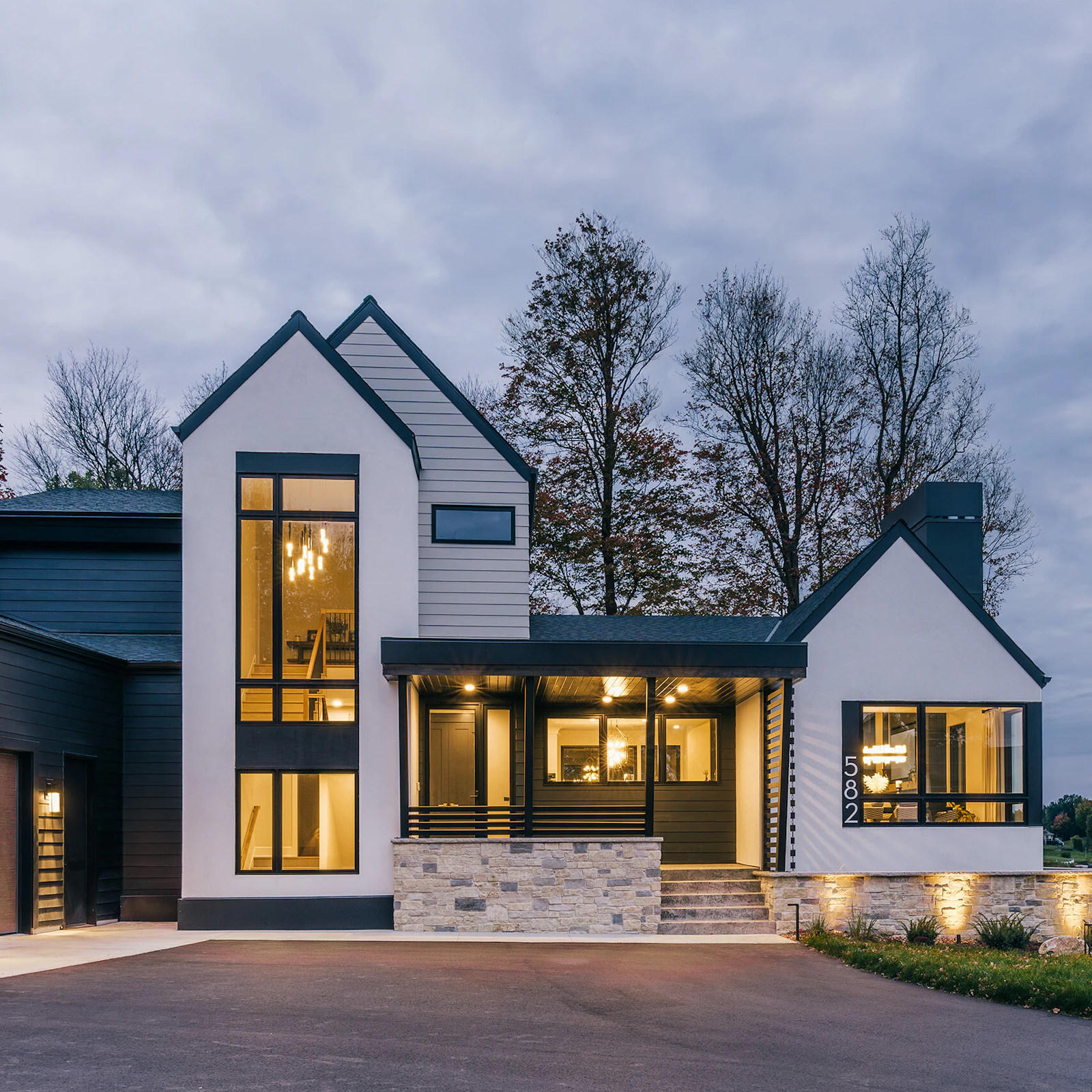
582 Peninsula Pt Road Shakopee 014
Herz Front Straight DSC3511 Web
5. Blending Styles

Transitional Design

There's also a harmonious middle path, transitional style. It blends traditional architectural elements with modern restraint, creating interiors that feel both classic and comfortable. Neutral color schemes, like whites, creams, and grays, are enlivened through textural contrasts rather than bold patterns.

Why This Matters

Choosing between modern and contemporary design influences everything, from architectural form to interior details. Both styles have simple bases. Modern design follows a specific history, while contemporary design adapts to changing design trends.

Whether you're renovating, designing a custom home, or curating a timeless interior, clarity between these styles elevates your creative vision and strengthens your project's appeal.

Pro Tip
: It can be helpful to make a list of the design elements you like or dislike before meeting with an architect or designer. This will give them direction and help speed up the design-build process. Ultimately, the most important thing is to build a home that you love and that reflects your personal style.

Q&A

Frequently Asked Questions

  1. What is the core difference between modern and contemporary home design?
    Modern design is a defined historical style rooted in the early to mid‑20th century and guided by "form follows function." It favors clean lines, geometric shapes, symmetry, warm neutrals, and authentic natural materials. Contemporary design is the evolving "style of now" (shaped since the 1970s) that pulls from multiple movements; it's more fluid and trend‑responsive, often showcasing sculptural forms, mixed textures, open layouts, neutral bases with bold accents, and frequent updates as tastes change.
  2. How do the histories of these styles shape their mood and architecture?
    Modernism's origins in Scandinavian minimalism and the Bauhaus yield structured, balanced architecture and a warm, grounded feel. Contemporary design, informed by modernism, postmodernism, Art Deco, and more, embraces asymmetry and freer forms, producing interiors that feel sleek, dynamic, and adventurous.
  3. What materials, colors, and forms typically set them apart? 
    Modern interiors lean on medium to dark woods, chrome, acrylic, leather, and concrete, paired with warm neutral palettes and geometric, symmetrical forms. Contemporary spaces favor lighter woods, eco‑friendly choices, and recycled or sustainable options like glass and plastic. They keep a neutral foundation but add dynamic pops of color, statement furnishings, layered materials, and often employ open, sculptural forms.
  4. Which style is right for my home and lifestyle?
    There's no single "right" answer, choose what fits your daily life and preferences. If an open concept, natural materials, functional spaces, and large windows resonate with you, modern may be your style. If you want flexibility, current trends, and artistic expression, contemporary is a strong fit. Architecturally, mid‑century or minimalist homes pair naturally with modern, while contemporary adapts well to both traditional and avant‑garde contexts. You can also mix elements from both to suit your needs.
  5. Can I blend modern and contemporary styles, and what is transitional design?
    Yes. Transitional design offers a balanced middle ground, combining traditional architectural elements with modern restraint. It uses neutral color schemes (whites, creams, grays) enlivened through textural contrast rather than bold patterns. Since there's no hard line between modern and contemporary, thoughtful mixing is encouraged. Pro tip: list what you like and dislike before meeting a designer to clarify direction and speed up the design‑build process.
  6. What’s the fundamental difference between modern and contemporary home design? 
    Modern design is a defined historical movement from the early to mid‑20th century shaped by “form follows function,” Scandinavian minimalism, and the Bauhaus. It favors clean lines, symmetry, warm neutrals, and honest natural materials. Contemporary design is the evolving “style of now” (shifting since the 1970s), blending influences like modernism, postmodernism, and Art Deco; it’s more fluid and trend‑responsive, with sculptural forms, layered textures, and neutral bases energized by bold accents.
  7. How do their floor plans, shapes, and overall mood differ? 
    Modern spaces are structured and balanced, often reading as calm, warm, and grounded. Contemporary interiors lean into openness, asymmetry, and fluid, sculptural forms, resulting in rooms that feel sleek, dynamic, and adventurous.
  8. Which materials and color palettes typically define each style?
    Modern design leans on authentic natural materials and mid‑century industrial touches, think medium to dark woods, leather, chrome, acrylic, and concrete, paired with warm, restrained neutrals. Contemporary design often uses lighter woods, eco‑friendly and recycled materials (including glass and plastic), maintains a neutral foundation, and introduces movement through mixed textures, statement pieces, and strategic pops of color.
  9. How do I decide which style suits my home and lifestyle?
    Pick what aligns with your daily needs and tastes. If functional simplicity, natural materials, large windows, and clarity of form appeal to you, modern is a strong match—especially in mid‑century or minimalist architecture. If you prefer flexibility, current trends, and artistic expression, contemporary fits well and adapts to both traditional and avant‑garde homes. There’s no hard line—mixing elements is encouraged.
  10.  Can I blend the two styles, and what is transitional design?
    Yes. Transitional design is a balanced middle path that pairs traditional architectural cues with modern restraint. It relies on neutral palettes (whites, creams, grays) and builds interest through texture rather than bold patterns. Make a list of what you like and dislike before meeting a designer. This will help make decisions quicker. It will also help create a home that shows your personal style.

Bring Your Vision to Life

At Sustainable 9, our team is passionate about turning design intentions into built realities. Whether your vision leans toward the timeless elegance of modernism, the dynamic innovation of contemporary design, or a blended transitional approach, we’re here to help you craft spaces that reflects your everyday living.

Explore our custom home, interior design, and renovation services with a focus on beauty, intention, and sustainability

Related Articles

Listing 4up border 03
Connect

Let’s Craft Your Perfect Home