S9 - Logo - Mark

The Anatomy of a High-Performance Home

March 20, 2025

Nine Details That Change Everything

The key elements behind every high-performance home Sustainable 9 builds.

A high-performance home is built to do more with less. It uses less energy, maintains a healthier indoor environment, and lasts longer than a standard build. This article breaks down the nine key elements that define a high-performance home at Sustainable 9.
1. Triple Pane Windows with Low-E Coatings

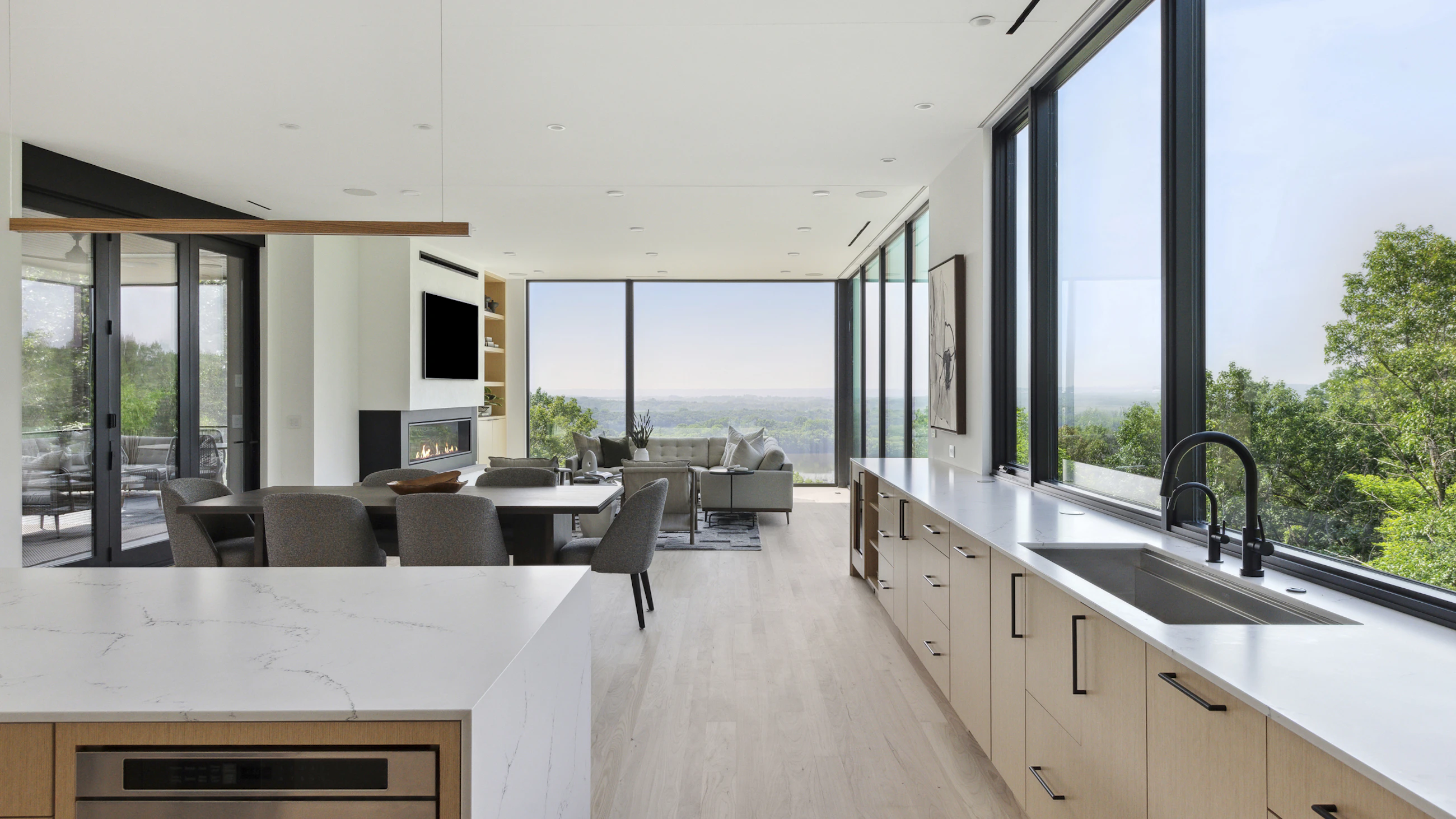
Windows are typically the weakest point in a wall's insulation. Triple pane windows fix that. They use three layers of glass with gas, usually argon, between each layer. This helps cut down drafts and keeps the temperature steady all year.

Low-E coatings add another layer of control:

  • Passive Low-E reflects heat back into the home, ideal for cold climates
  • Solar Control Low-E blocks heat from the sun, ideal for warmer climates

Some manufacturers also inject insulation into window frames for added efficiency.

2. Superior Insulation

Better insulation means lower energy bills and a more comfortable home. The most effective approach is exterior continuous insulation (ECI), which covers the entire building envelope and reduces heat loss.

Common insulation materials used in high-performance homes:

  • Structural insulated panels (SIPs)
  • Spray foam
  • Rigid foam
  • HempWool insulation
  • Advanced fiberglass eco-batts

Together, these create an airtight envelope that limits unwanted air movement.
3. Eliminate Thermal Bridging

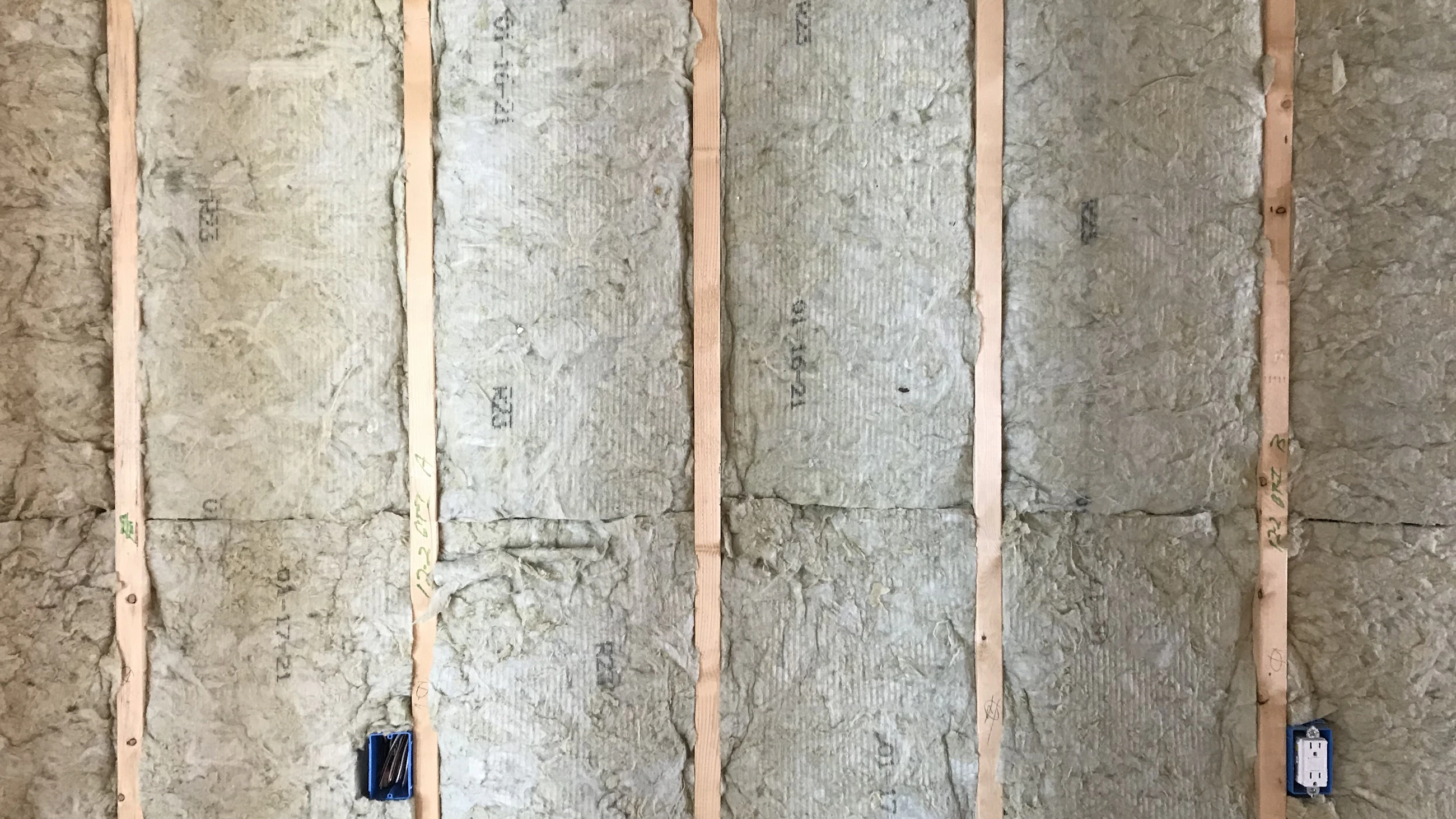
In a standard wall, insulation sits only between the wood studs. The studs themselves have no thermal protection, creating a "thermal bridge" where heat escapes through the wood.

The fix is a thermal break: an added layer of insulation that interrupts that path. Addressing thermal bridges reduces energy loss and improves comfort throughout the home.

4. Airtight Construction

Airtight construction seals the building envelope so conditioned air stays inside. This reduces the load on heating and cooling systems, lowers energy use, and keeps indoor temperatures more consistent.

Every gap, seam, and penetration is carefully sealed during the build. The result is a home that performs more like a thermos than a sieve.
5. Balanced Ventilation Systems

Older homes were leaky enough that fresh air naturally cycled through. Modern airtight construction requires a different approach.

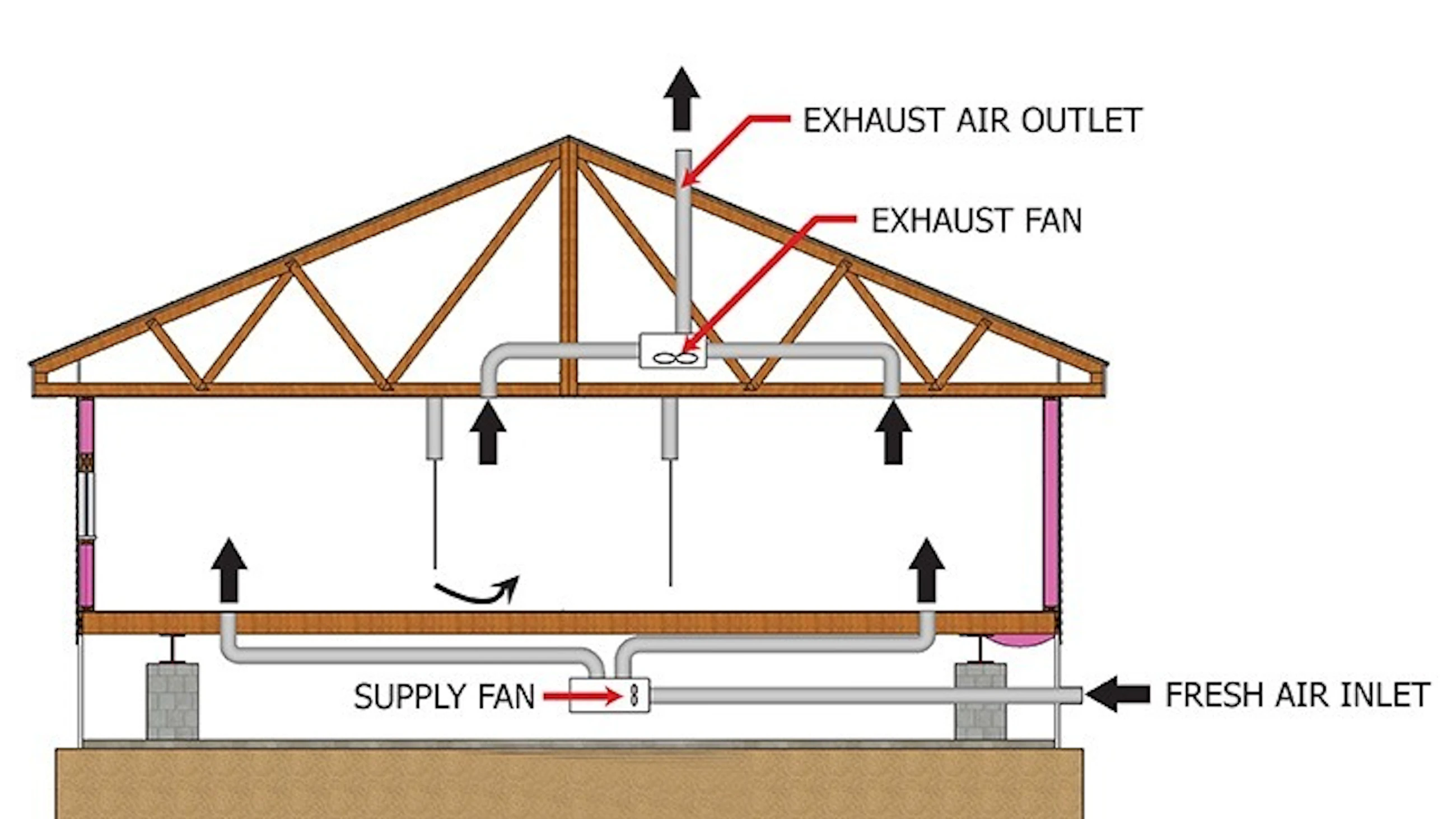
High-performance homes use an Energy Recovery Ventilator (ERV), which:

  • Brings fresh outdoor air in
  • Exhausts stale air, allergens, and pollutants out
  • Transfers energy between the two airstreams to reduce heating and cooling costs

The result is clean indoor air without wasting energy.

6. Upgraded Mechanical Systems

Standard HVAC systems are built for average homes. High-performance homes require systems sized, zoned, and designed for real efficiency.

Heat pump technology is one of the best options available today:

  • Air-source heat pumps exchange thermal energy with outdoor air
  • Geothermal ground-source pumps exchange thermal energy with the earth

Both deliver strong efficiency, especially when paired with a well-insulated, airtight home.
7. Net Zero Energy

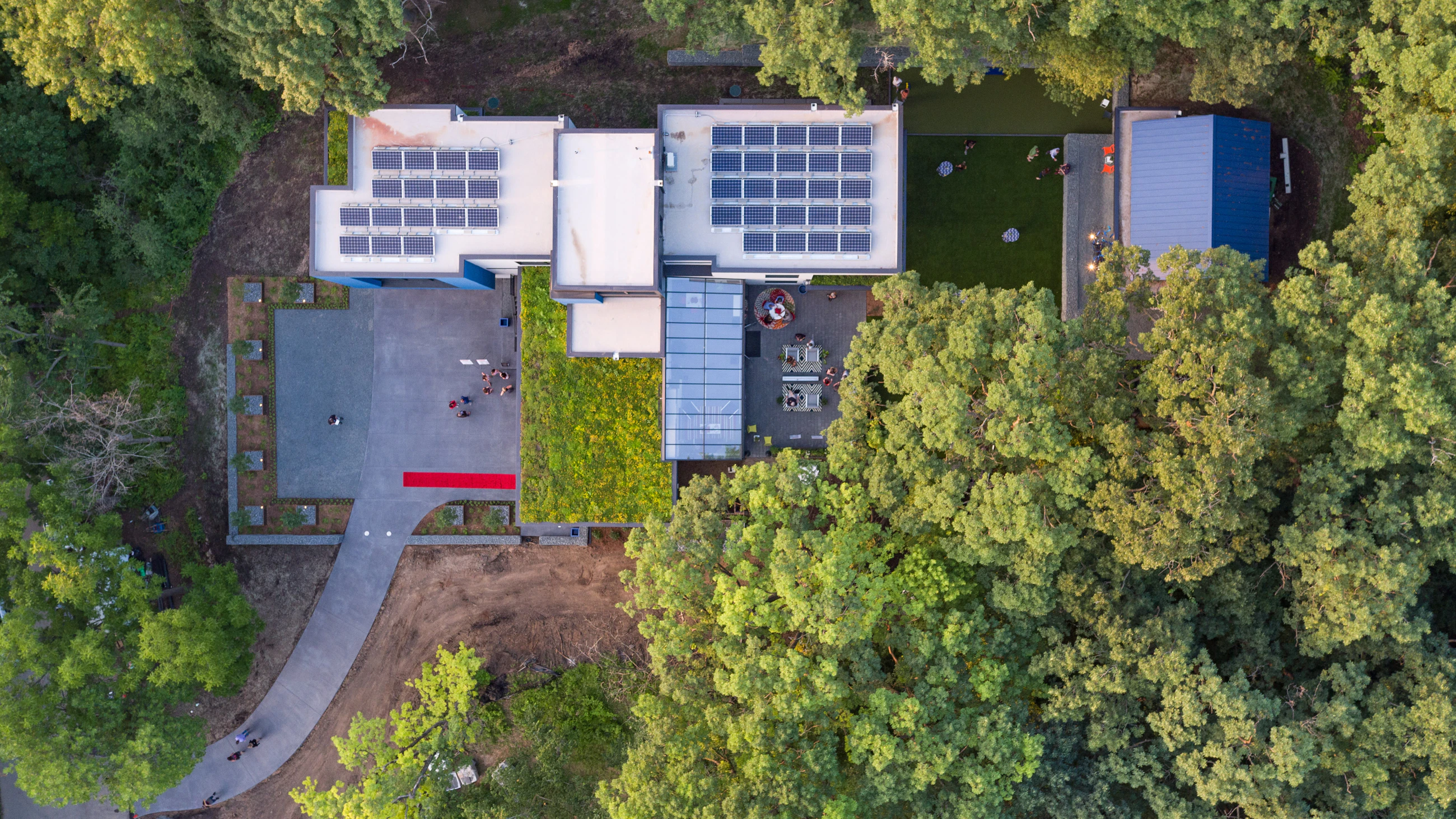
A net zero home produces as much energy as it consumes. Each efficiency measure on this list lowers the home's energy use. This, in turn, means a smaller solar array is needed to fully offset energy use.

Net zero homes
lower carbon emissions and eliminate or significantly reduce monthly energy bills. The Blackfoot Pass Residence is a real example of what this looks like in practice.

8. All-Electric Design

Going all-electric means disconnecting entirely from fossil fuel infrastructure. It also means the home is ready for the ongoing shift to clean energy on the electrical grid.

Ways to offset the higher cost of electricity in an all-electric home:

  • Install photovoltaic (PV) solar panels
  • Add a geothermal heating and cooling system
  • Explore energy efficiency incentive programs through your local utility

High performance matters even more in an all-electric home because efficiency directly controls the monthly cost.

9. Completing 3rd Party Certifications

Every Sustainable 9 home is tested and certified by the Center for Energy and Efficiency (CEE). This third-party process confirms that each home meets independent standards for energy efficiency, air quality, and sustainability.

Certifications typically achieved on Sustainable 9 homes:

  • Minnesota Green Path (most reach Master Level status)
  • Energy Star for Homes
  • EPA Indoor airPlus
  • DOE Zero Energy Ready Home

These certifications give homeowners objective proof that their home performs as promised.

Q&A

FAQs

  1. What makes a home “high-performance” at Sustainable 9, and how is it different from a standard build?
    A high-performance home uses less energy, maintains a healthier indoor environment, and lasts longer. At Sustainable 9, this comes from the combined effect of tight construction, smart mechanical systems, quality materials, and verified results. Key elements include triple-pane Low-E windows, superior insulation with exterior continuous insulation, eliminating thermal bridges, airtight construction, balanced ventilation (ERV), upgraded heat pump-based mechanicals, pathways to net zero energy, all-electric design, and third-party certifications.

  2. How do triple-pane windows with Low-E coatings improve comfort and efficiency?
    Triple-pane windows use three layers of glass with argon gas between panes to reduce drafts and keep temperatures steady year-round. Low-E coatings help control heat. Passive Low-E reflects heat back inside, making it good for cold places. Solar Control Low-E keeps out heat, which is better for warm places. Some manufacturers also insulate window frames, further boosting efficiency.

  3. What is thermal bridging, and how do you prevent it?
    Thermal bridging occurs when heat moves through materials that have little or no insulation, like wood studs in a typical wall. This allows heat to skip over the insulated areas. The solution is a thermal break. This means adding a layer of insulation, like continuous insulation on the outside, to stop heat flow. Addressing thermal bridges reduces energy loss and improves comfort throughout the home.

  4. Why is airtight construction critical, and how is fresh air maintained in such homes?
    Airtight construction seals all gaps and seams. This keeps conditioned air inside. As a result, heating and cooling systems work less and temperatures stay steady. It acts more like a thermos than a sieve. Airtight homes do not depend on leaks for fresh air. They use a system called an Energy Recovery Ventilator (ERV) to bring in fresh air from outside. It also removes stale air, which can have allergens and pollutants. The ERV transfers energy between the incoming and outgoing air to save energy on heating or cooling.

  5. How do Sustainable 9 homes achieve net zero energy and manage costs in an all-electric design?
    Using efficiency measures at home reduces energy use. This means you need a smaller solar panel system to make as much energy as the home uses. Going all-electric disconnects from fossil fuels and aligns the home with a cleaner electrical grid. To offset electricity costs, homeowners can install PV solar, consider geothermal heating and cooling, and explore utility incentive programs. Performance is verified through CEE testing and certifications such as Minnesota Green Path (often Master Level), Energy Star for Homes, EPA Indoor airPlus, and DOE Zero Energy Ready Home.

A Cutting-Edge Approach To Sustainable Living

A high-performance home isn't defined by one feature. It's the combination of tight construction, smart systems, quality materials, and verified results that sets it apart. At Sustainable 9, every one of these elements is built into every home we design and build.

Related Articles

Listing 4up border 03
Connect

Let’s Craft Your Perfect Home