Today’s buyers, renters, and short-term guests aren’t just looking for more space—they’re looking for better experiences. Thoughtful design can elevate even the smallest footprint, creating homes and rentals that feel intentional, memorable, and refined.
Here are five design strategies we use to add outsized value, improve usability, and deliver a high-end experience—without expanding square footage.

Micro luxury zones are compact yet purposeful spaces designed to support everyday rituals. Think reading nooks, coffee stations, wellness alcoves, mini work desks, or even pet-friendly zones. These are small moments of luxury that feel personal and indulgent.
How how to implement it:
Each zone is defined early in the design process so its function is intentional from the start. Because these spaces are limited in size, we can introduce elevated materials—custom millwork, specialty finishes, or premium hardware—without driving up overall project costs.
Why it matters:
Micro luxury zones add character and livability to modest square footage. They photograph beautifully, elevate listings, and make a home or rental feel curated rather than generic—often leading to higher booking rates, stronger reviews, and increased perceived value.

Lighting has the power to completely transform how a space feels. Mood lighting packages move beyond a single overhead fixture, allowing rooms to transition seamlessly from work mode to dinner party to wind-down.
How to implement it:
Layer ambient, task, and accent lighting using dimmers and simple smart controls. Features like LED strip lighting, sconces, toe-kick lighting, and strategically placed fixtures add depth, flexibility, and warmth to every room.
Why it matters:
Layered lighting makes interiors feel sophisticated and intentional. It improves usability throughout the day, enhances comfort, and delivers a high-end feel that guests and homeowners immediately notice.
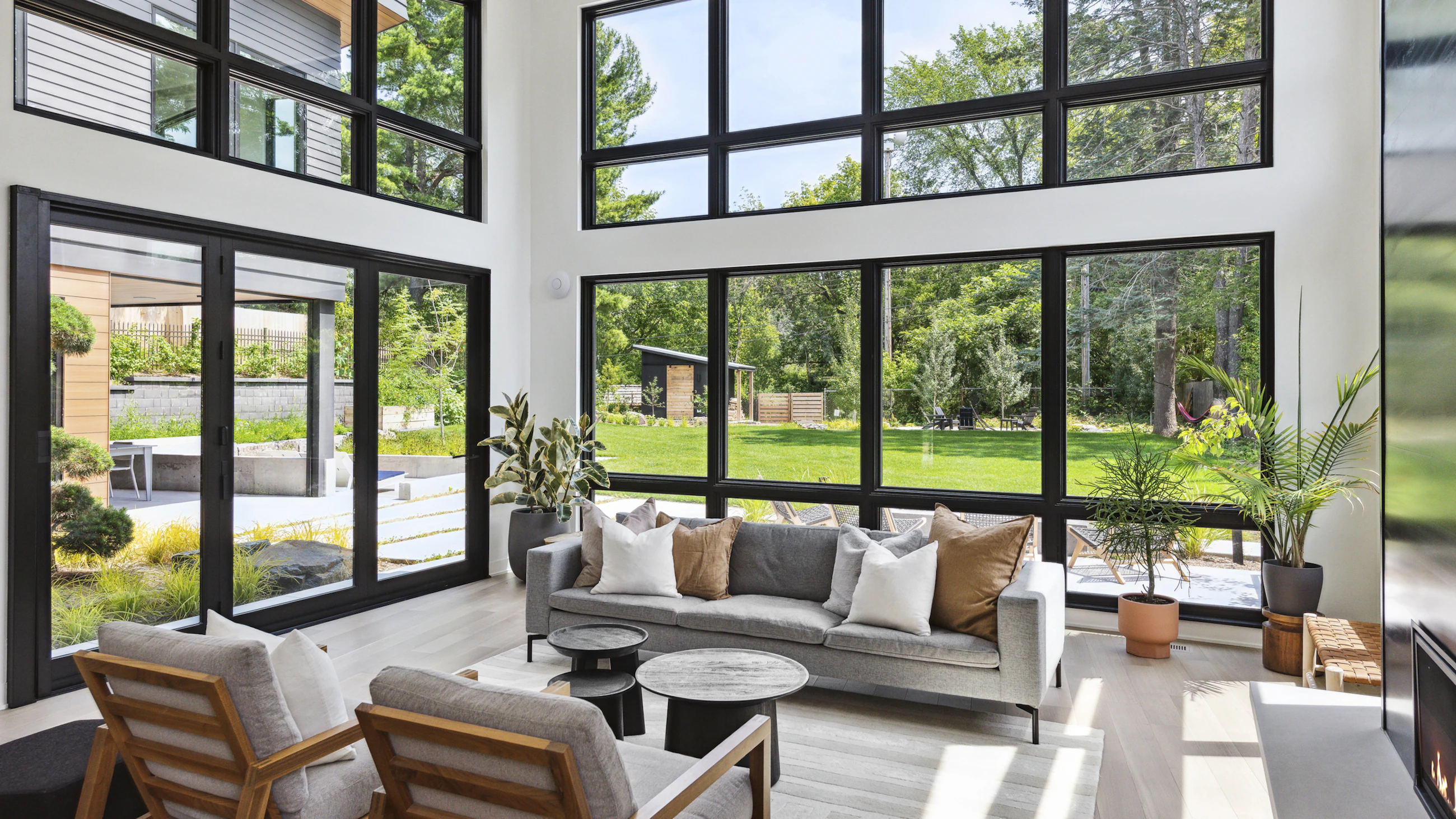
Bio design brings nature indoors in a calm, modern, wellness-driven way—without increasing maintenance requirements.
How to implement it:
Focus on warm wood tones, stone-look surfaces, textured finishes, soft earthy palettes, simple greenery, and thoughtful use of natural light. The result is a space that feels grounded, organic, and effortlessly inviting.
Why it matters:
Wellness-centered design is in high demand. Bio design creates a soothing environment that photographs beautifully, ages well over time, and supports higher pricing through timeless, universally appealing aesthetics.

Tech walls elevate media and work-from-home needs by replacing the look of a TV simply mounted to drywall with an integrated, polished solution.
How to implement it:
Plan wiring and conduit in advance, conceal storage, and use cabinetry or millwork elements such as niches or slatted panels. In some cases, we incorporate a fold-down work surface to support remote work in smaller spaces.
Why it matters:
Tech walls maximize functionality while maintaining a clean, design-forward look. They appeal to long-term renters and remote workers, photograph exceptionally well, and add flexibility without clutter.

Bathrooms play a major role in how a home or rental is perceived. Hospitality-inspired bathrooms borrow from boutique hotels to make even small baths feel spa-like, intuitive, and elevated.
How to implement it:
Oversized tile, built-in niches, above-toilet shelving, layered metal finishes, framed or backlit mirrors, and durable, low-maintenance materials come together to create a refined experience.
Why it matters:
Bathrooms strongly influence booking and buying decisions. These upgrades increase perceived luxury, improve durability, simplify maintenance, and leave a lasting impression on guests and homeowners alike.
Luxury today isn’t defined by size—it’s defined by intention. By focusing on how people actually live, work, and relax, these strategies deliver elevated experiences, stronger returns, and spaces that stand out in a competitive market.
Thoughtful design doesn’t just look good—it works harder for you.