Modern and midcentury modern design are often used interchangeably, but while they share an appreciation for clean lines, functional spaces, and thoughtful simplicity, each has its own distinct architectural identity.
From the warmth of natural wood and retro-inspired details to the striking geometry and minimalist finishes of contemporary homes, understanding the differences between these two styles can help homeowners discover an aesthetic that reflects their lifestyle.
At Sustainable 9, we believe architecture is about more than just aesthetics. It's about crafting thoughtfully designed, high-performance spaces that balance timeless beauty, functionality, and sustainability.


Today, the term modern design is often used more broadly to describe homes with sleek architectural forms, open floor plans, floor-to-ceiling windows, and a minimalist approach to materials and finishes.
Modern homes emphasize the relationship between form and function, creating spaces that feel intentional, uncluttered, and connected to their surroundings.
Key characteristics include
Modern architecture often creates a sense of understated luxury, where carefully selected materials and architectural details make a statement without overpowering the space.


Known for its distinctive rooflines, natural materials, and strong connection to the outdoors, midcentury modern design embraces simplicity without sacrificing character.
Unlike the more restrained aesthetic of modern homes, midcentury modern spaces incorporate rich wood tones, earthy colors, and architectural elements that celebrate craftsmanship and individuality.
Key characteristics include
One of the distinct qualities of midcentury modern architecture is its ability to feel both nostalgic and timeless.
While both styles share a foundation in simplicity and functionality, their differences become more apparent through architectural details, materials, and overall character.
Architecture: Modern design favors bold geometric forms and minimalist silhouettes; midcentury modern features low rooflines, extended roof overhands, and expressive structural details.
Materials: Modern homes often use glass, steel, concrete, and wood; midcentury modern homes emphasize natural wood, brick, stone, and glass.
Color palette: Modern interiors lean neutral and muted; midcentury modern spaces embrace warm earth tones and vibrant accents (paint, furniture, decor).
Interior aesthetic: Modern design feels sleek and streamlined; midcentury modern is warmer, more organic, and character-rich.
Connection to nature: Modern homes often feature expansive glazing and seamless indoor-outdoor spaces; midcentury modern architecture integrates patios, courtyards, and landscape-focused design (truly bringing the outdoors, in).
It's important to recognize that these styles aren't mutually exclusive and many of today's custom homes incorporate elements of both.
One of the strongest connections between modern and midcentury modern architecture is the emphasis on the outdoors. Both styles prioritize natural light, expansive views, and thoughtful relationships between interior living spaces and the surrounding landscape. This can be seen when a home is designed around the landscape it sits on.
In modern architecture, this takes shape through dramatic floor-to-ceiling windows, expansive glass walls, and open living areas that create an uninterrupted flow to the outdoors.
Midcentury modern architecture approaches this relationship through extended rooflines, sheltered patios, natural materials, and carefully positioned windows that frame the view.
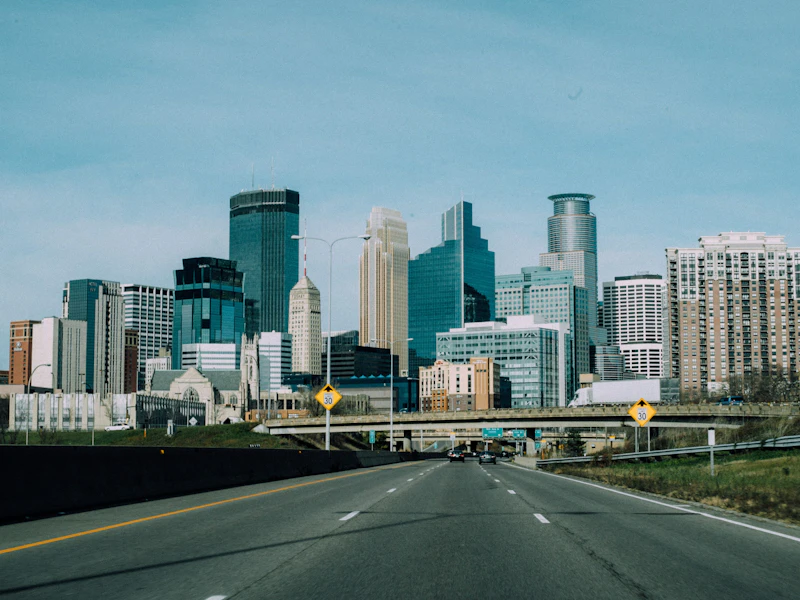
For homeowners in Minnesota, these design principles offer an opportunity to embrace the beauty of the changing seasons. Whether overlooking a wooded lot, a lake, or a secluded backyard, thoughtful architectural design can create a meaningful connection to nature throughout the year – especially if outdoor heating elements are included.
While architectural styles evolve, the importance of building homes that perform as beautifully as they look remains of high priority.
Both modern and midcentury modern design offer opportunities to incorporate sustainable building practices, energy-efficient technologies, and high-performance materials. At Sustainable 9, we approach each project with the belief that sustainability and exceptional design should work together, not compete.
From high-performance building envelopes and energy-efficient windows to thoughtfully selected materials and advanced mechanical systems, and smart appliances, our goal is to create homes that prioritize comfort, efficiency, and long-term durability.
Large windows and open floor plans may define the aesthetic, but careful consideration of insulation, solar orientation, glazing performance, and ventilation helps ensure these architectural features support the home's overall performance.
Whether building a new home or renovating a current one, integrating sustainable systems into the design process can create spaces that are as forward-thinking as they are timeless.


Great design isn't defined by a single architectural style. It's shaped by the way a home responds to its surroundings, supports your everyday living, and reflects the people who call it home.
At Sustainable 9, we specialize in crafting custom homes and thoughtfully transforming existing spaces, combining sustainable building practices with timeless design to craft homes built for the future. Ready to craft a home that's uniquely yours? Explore our portfolio or connect with Sustainable 9 to start the conversation.