For a long time, the design world told us to keep things simple. This meant plain walls and tidy layouts. Nothing too bright or too personal. The idea was that less is more. A good home should look planned but also feel natural and easy.
That era is over. Homeowners and interior designers are using warm colors, different textures, and bold details to create inviting and unique spaces.
The conversation has shifted from "what looks good" to "what feels right", and that's a meaningful distinction. Great design isn't about impressing guests; it's about building a home that actually reflects who you are and how you live.
If you are planning a custom build, a renovation, or want to make some design changes, these five trends can help you. They're not fads, they're a response to how people want to feel in their homes: comfortable, expressed, and at ease.
Here are the top home design trends shaping interiors in 2026.

For years, sharp angles and rigid geometry dominated interior design. Square sofas, boxy cabinets, and straight staircases looked neat and tidy. But after a while, it started to feel unwelcoming.
Something was missing.
What was missing was softness. Curves and organic shapes are now one of the most talked-about trends in modern interiors, and for good reason. Curved furniture, arched doorways, rounded windows, and sculptural lighting fixtures are replacing right angles throughout modern homes.
The change is slight in some rooms and strong in others. But the result is always the same: the spaces feel warmer, friendlier, and more comfortable.
Why curves work
Studies show that people like curved shapes more than sharp ones. Sharp edges can make us feel a little stressed because our brains link them to danger. Curved shapes feel safe, soft, and welcoming. When you enter a room with rounded furniture and curved doorways, your body feels it.
Beyond psychology, curves simply photograph beautifully and age well. Unlike some trends that feel dated after a few years, organic shapes have staying power because they mirror the natural world. Nothing in nature is perfectly straight.
How to incorporate curves
You don't need to gut your home to embrace this trend. Start with furniture. A curved sofa, a round dining table, or a soft boucle chair can change the feel of a room. Arched mirrors are another easy entry point; they add design interest without any construction.
If you are building a home or doing a big renovation, think about adding arched doorways between rooms. You could also create rounded spots for art or shelves, or use windows with curved tops.
These details add character that feels intentional without being trendy.
Even small touches count. A curved lamp base, a kidney-shaped coffee table, and an arched headboard are low-commitment ways to bring softness into your space.
What to pair it with
Curves work beautifully with natural materials, linen, bouclé, stone, and wood, all of which complement soft shapes. If you want a warm and layered look, choose textured fabrics and earth tones. These go well with your curved items.
Flat, painted drywall has been the default for decades. It's easy, it's affordable, and it's completely forgettable. This year, textured walls and ceilings are having a genuine moment, and not just as a niche design choice for high-end custom homes.
Homeowners are realizing how texture can improve a space. There are more options now than ever before.
The case for texture
A flat wall does one thing: it provides a backdrop. A textured wall does something entirely different, it becomes part of the room. It catches light differently throughout the day, creates depth and dimension, and adds a warmth that paint simply cannot replicate.
A room with smooth white walls and a room with plastered walls may look alike. Both can be white and have the same furniture. But they feel different. The plastered room feels warmer and more welcoming. It has more character and life.
Plaster finishes
Venetian plaster and limewash paint are two of the most popular textured wall treatments right now, and for good reason. Both have an Old World quality that feels simultaneously timeless and fresh. Venetian plaster creates a polished, marble-like surface with visible depth; it's dramatic in the best way. Limewash gives walls a softer, more matte, slightly weathered look that works beautifully in living rooms, bedrooms, and dining spaces.
Both treatments are applied by hand, which means no two walls look the same. That uniqueness is part of the appeal.
Grasscloth and specialty wallpapers
Grasscloth wallpaper has been around for decades, but it's experiencing a revival, and it's earned it. Grasscloth is made from natural fibers that are woven onto paper. It adds real texture to walls that printed wallpaper cannot provide. Run your hand across it, and you'll feel the difference.
Specialty wallpapers, like those with raised patterns and fabric-like textures, are becoming popular. These designs are turning walls into important features of a room. These work well in smaller spaces like powder rooms, entryways, or dining rooms, where a single statement wall can transform the room.
Don't forget the ceiling
The ceiling is the most overlooked surface in most homes, and one of the most powerful.
Coffered ceilings, wooden beams, plaster designs, and plain white shiplap can make a ceiling stand out. If you're building custom, this is one area where thoughtful investment pays dividends for years.
In homes that are already built, adding a skim-coat plaster to the ceiling can create a nice texture. This simple change can make the whole room look better. It's one of those changes that people notice without always knowing exactly why the room feels so good.

Playing it safe is out. For years, the prevailing wisdom in interior design was restraint, keep it neutral, keep it simple, keep it timeless. While a neat home is nice, many people have homes that feel more like hotel lobbies than real living spaces.
That's changing fast.
Homeowners are layering bold colors, mixed patterns, and statement pieces to make spaces feel genuinely theirs. It's not about clutter. It's about being intentional and a little fearless with your choices.
What layered living actually means
Layered living, though that word has baggage, isn't about filling every surface. It's about building rooms with depth.
It's like having a sofa alone in a room. But with a nice rug, matching pillows, some books, a favorite piece of art, and a good lamp, it looks much better. Each element adds to the whole. The room tells a story.
Bold color is back
Greige (that gray-beige hybrid that dominated homes for a decade) is finally fading. In its place: warm terracottas, deep forest greens, moody navy blues, and rich burgundies. These aren't timid choices; they're colors that commit.
Bold colors can be used on an accent wall, in a whole room, or on one piece of furniture. They create feelings that neutral colors do not. A deep green library feels completely different from the same room in white. Both can be beautiful, but one stays with you.
Pattern mixing
You can make a room look better by mixing patterns. It’s easier than it sounds. The trick is to use one main color.
If your pillow is terracotta, pick a rug with a different pattern that also has those colors. Stripes go well with flowers, and geometric shapes can match natural prints. Just remember, it’s the color that ties the patterns together, not the style.
Statement pieces
Every well-designed room has at least one item that grabs your attention. It could be a unique light, a big art piece, or an old chair in a surprising fabric. These standout items give the room character. They make the space feel planned instead of just put together.
Start somewhere
You don't need to change your entire home. Just choose one room and one trend. Try a bold wall color, a patterned rug, or a unique chair. These small changes can make a big difference.
A textured wall or a curved chair can change how a room feels. More changes will come after that.
If you've walked through any design showroom in the past decade, you've seen a lot of light wood. Rift-cut white oak became the common choice for kitchen cabinets, hardwood floors, and furniture. It's a beautiful material, clean, bright, and versatile. But it's been everywhere for a long time, and the design world is ready for something different.
The shift to darker woods
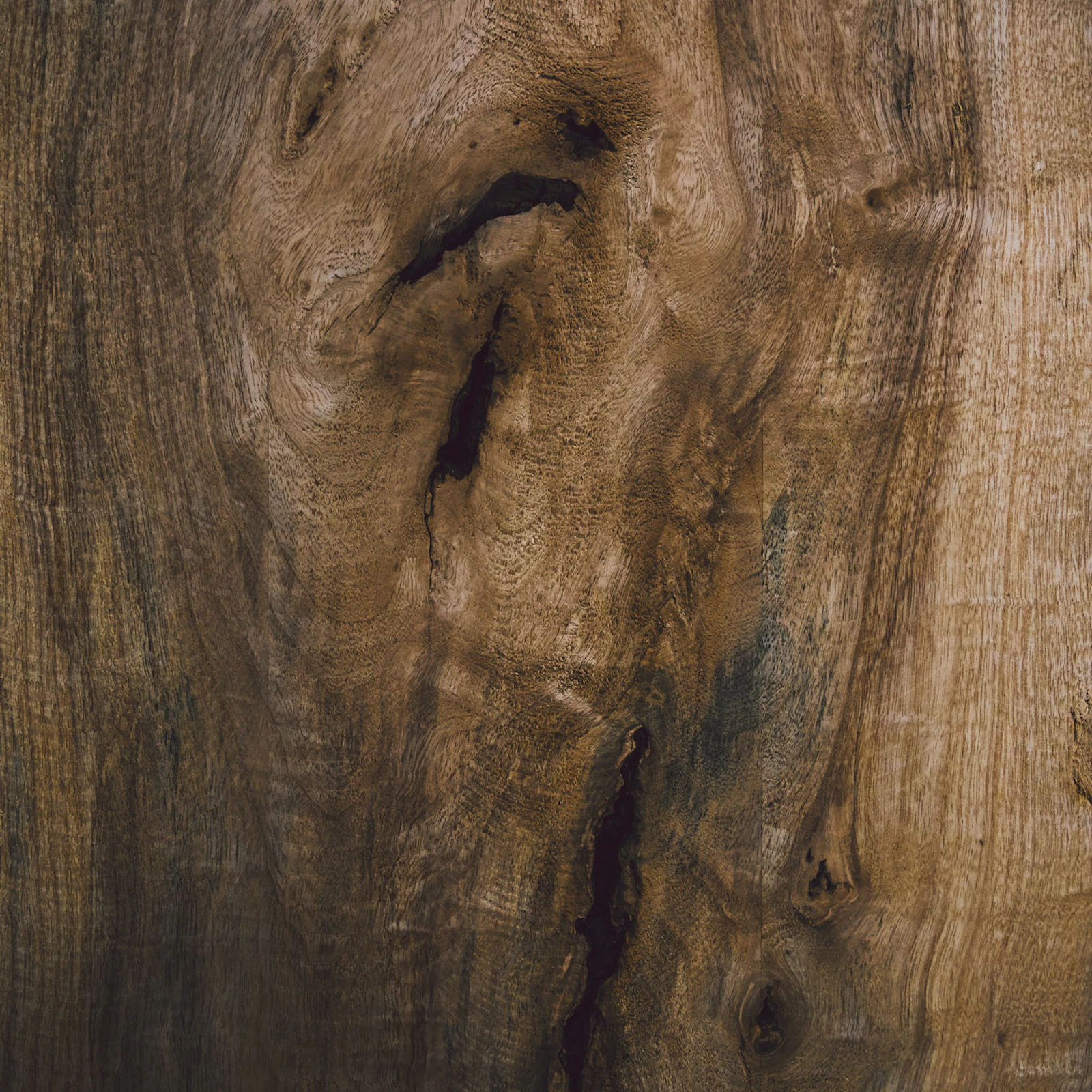
Darker, richly grained woods are making a strong comeback. Walnut, which had a moment years ago, is returning, but this time it's bringing friends. Burl wood, with its dramatically swirled grain patterns, is one of the most talked-about materials in high-end interiors right now. So is cerused oak, which uses a finishing technique to emphasize the grain and add depth.
These aren't just wood tones, they're conversation starters. A burl wood coffee table or a walnut dining table has a strong look that lighter woods do not have.
Why rich browns feel right for this moment
There's something about warm, dark wood that feels grounding. In a world that often feels noisy and uncertain, coming home to rich, natural materials has a calming effect. Browns, ambers, and cognac tones are inherently warm; they work with firelight, with candlelight, with the soft glow of a well-placed lamp.
They also pair beautifully with the other trends on this list. Dark walnut furniture alongside a textured plaster wall and a curved sofa in a deep rust fabric? That's a room with serious character.
How to incorporate warm woods
You don't need to replace your floors or cabinets to bring this trend into your home.
A single piece of furniture, like a dining table, console, or bedside table in dark wood, can change the look of a room.
If you are building or fixing up a space, now is a great time to talk to your designer about picking wood. Dark-stained cabinets, warm hardwood floors, or walnut millwork can really shape how a home feels.
Caring for darker woods
Animal prints, color-blocked tiles, and intricate wallpapers are being used as deliberate focal points. Pattern play injects energy and personality, turning surfaces into design statements rather than neutral backdrops.
One practical note: darker woods and richly grained options do require some care. They can show dust more readily than light-toned woods, and they need periodic conditioning to stay looking their best. But for most homeowners, the trade-off is more than worth it.
These are materials that get more beautiful with age and use; they develop a patina that tells the story of your home.

For a while, interior design has used patterns like herringbone floors or small geometric prints on pillows.
It's good, but it's also cautious.
In 2026, pattern will do much more work. Animal prints, colored tiles, detailed wallpapers, and big graphic designs are being used as main features in today’s homes.
Pattern play injects energy and personality, turning surfaces into design statements rather than neutral backdrops.
Pattern as architecture
Bold patterns are trendy now. Interior designers use them to separate areas, improve movement, and show off key features. A tall patterned wallpaper in the dining room adds style and makes it feel different from the hallway.
Color-blocked tiles in a kitchen or bathroom look good and add structure to the space. When used correctly, patterns can improve a space's design.
Animal prints
Animal prints like leopard, zebra, and python have come in and out of style for many years. But this time, they feel different.
Designers are using patterns in surprising ways. For example, a leopard-print stair runner, a zebra-print chair, and python-embossed pillows are all found in a plain living room.
Used as an accent rather than a theme, animal prints add texture and sophistication without feeling costume-y. The key is restraint within boldness. One strong animal print piece anchors a room. Three of them compete.
Tile as art
Tile has always been functional, but it's never been more beautiful than it is right now.
Zellige tile is a handmade Moroccan ceramic. It has an uneven surface that reflects light in unique ways. It is very popular right now for kitchens and bathrooms. Encaustic cement tiles with bold geometric patterns are making floors into focal points. Color-blocked tile arrangements are turning backsplashes into works of art.
If you're renovating a kitchen or bathroom, tile is one of the highest-impact, most lasting investments you can make. A bold tile choice done well will still look incredible twenty years from now.
Large-scale wallpaper
The days of small, repeating floral patterns are over. Large-scale wallpaper, oversized botanicals, graphic abstracts, dramatic murals, is transforming rooms in ways that paint simply can't. A single wall of a large-scale print can make a dining room feel like an experience rather than just a place to eat.
The trick with wallpaper is commitment. A bold pattern looks best when it's given room to breathe, floor-to-ceiling, corner to corner. Half-measures often look more timid than intended.
2026's design direction is unified by one idea: your home should feel uniquely yours. For a long time, people talked about design as being "timeless." But "timeless" often meant safe, plain, and easy to replace.
There's nothing wrong with a well-edited, quiet space. But there's also nothing wrong with a home that has color, texture, pattern, and warmth. There's nothing wrong with a home that looks like the people who live in it.
These five trends aren't about following rules. They encourage you to stop making the same choices and to start making choices that matter to you.
Curves because they make your living room feel like a place you want to sit in for hours. Texture because your walls deserve more than a coat of paint. Bold pattern because life's too short for a boring backsplash.
Small changes count. One textured wall or a curved chair can shift the whole feel of a room. You don't need to overhaul everything at once. Pick one trend, start there, and see what it opens up.
And if you're building a custom home from scratch?
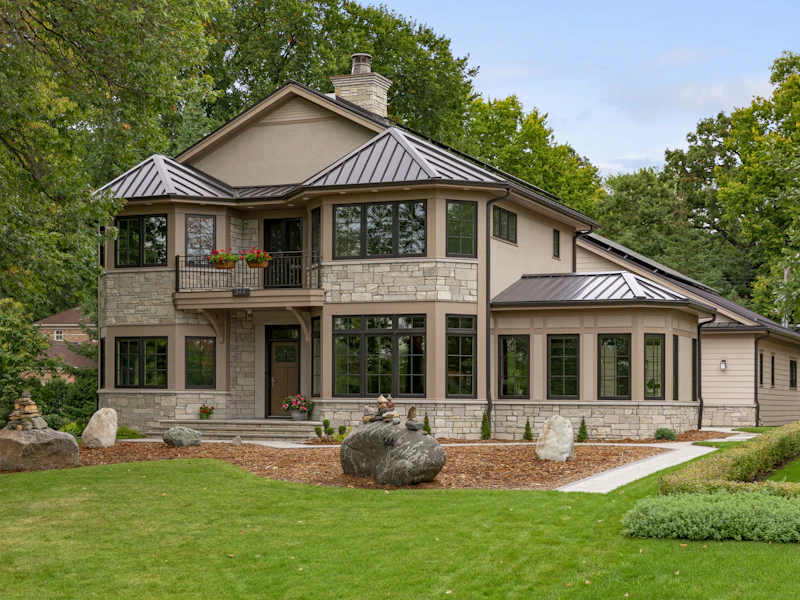
This is a unique chance to make careful choices about everything, from the shape of a doorway to the texture of a wood floor. That's exactly the kind of home Sustainable 9 loves to build.
At Sustainable 9, we build custom homes. Our homes are practical, beautiful, and designed around the way you live.
Whether you're drawn to rich textured walls, warm wood tones, or bold patterns throughout, we'll help you translate what you love into a home that lasts.
Contact Sustainable 9 to start your custom home journey.