Discover 10 powder room vanity ideas that make a big impact. From color and wood to shape and design tips, transform your compact bathroom decor effectively.
A well-chosen powder room vanity gives a small bathroom character while keeping handwashing, storage, and everyday movement comfortable. These ten ideas explore color, wood, stone, shape, and thoughtful updates, with practical guidance for choosing what suits your room. Whether you are replacing the entire vanity or working with the cabinet you already own, the goal is the same: create one memorable focal point without crowding the space.
You do not need every finish to make a statement. Start with the vanity, decide what deserves attention, and let the surrounding details support it.
A powder room vanity works when its proportions suit the room, the sink is comfortable to use, and its storage matches what you actually keep there. Measure width and depth, but also check door swings, drawer openings, and existing plumbing before choosing a replacement. Accurate measurements are essential when selecting a bathroom vanity. Be sure to account for enough clearance for doors and drawers to open fully while keeping electrical outlets accessible and unobstructed.
Start by deciding what belongs in this room. Perhaps you only need hand towels, soap refills, and spare toilet paper. If household supplies also live here, prioritize usable enclosed storage rather than choosing a cabinet entirely for its appearance.
Before shopping, make a short planning sheet:
For powder room vanity ideas that make a big impact, this practical groundwork is worth doing first. Keep the measurements alongside your bathroom inspiration photos so an attractive option does not distract you from whether it fits.

Consider a wall-hung vanity if you want a clean, uninterrupted composition beneath the sink. Pair a simple cabinet with a restrained countertop, then leave the space below deliberately open.
For a warm contemporary look, try a wood-toned drawer front, a white basin, and a narrow-framed mirror. If you prefer something more graphic, choose a dark cabinet against pale walls and repeat the dark finish in just one other element.
The important design decision is what happens underneath. Avoid filling the opening with several baskets, a scale, and cleaning supplies; that works against the uncluttered look you selected. If you need a wastebasket there, include it in the arrangement from the beginning rather than treating it as an afterthought.
Installation deserves attention before ordering. Some wall-hung vanity systems require structural blocking inside the wall, have your installer check the requirements for the specific model.
Choose the cabinet for its interior layout as carefully as its exterior. Ask to see how the drawers accommodate plumbing, and picture your actual supplies inside them. For the final styling, leave a little breathing room around the mirror instead of stretching every element to the cabinet’s full width.


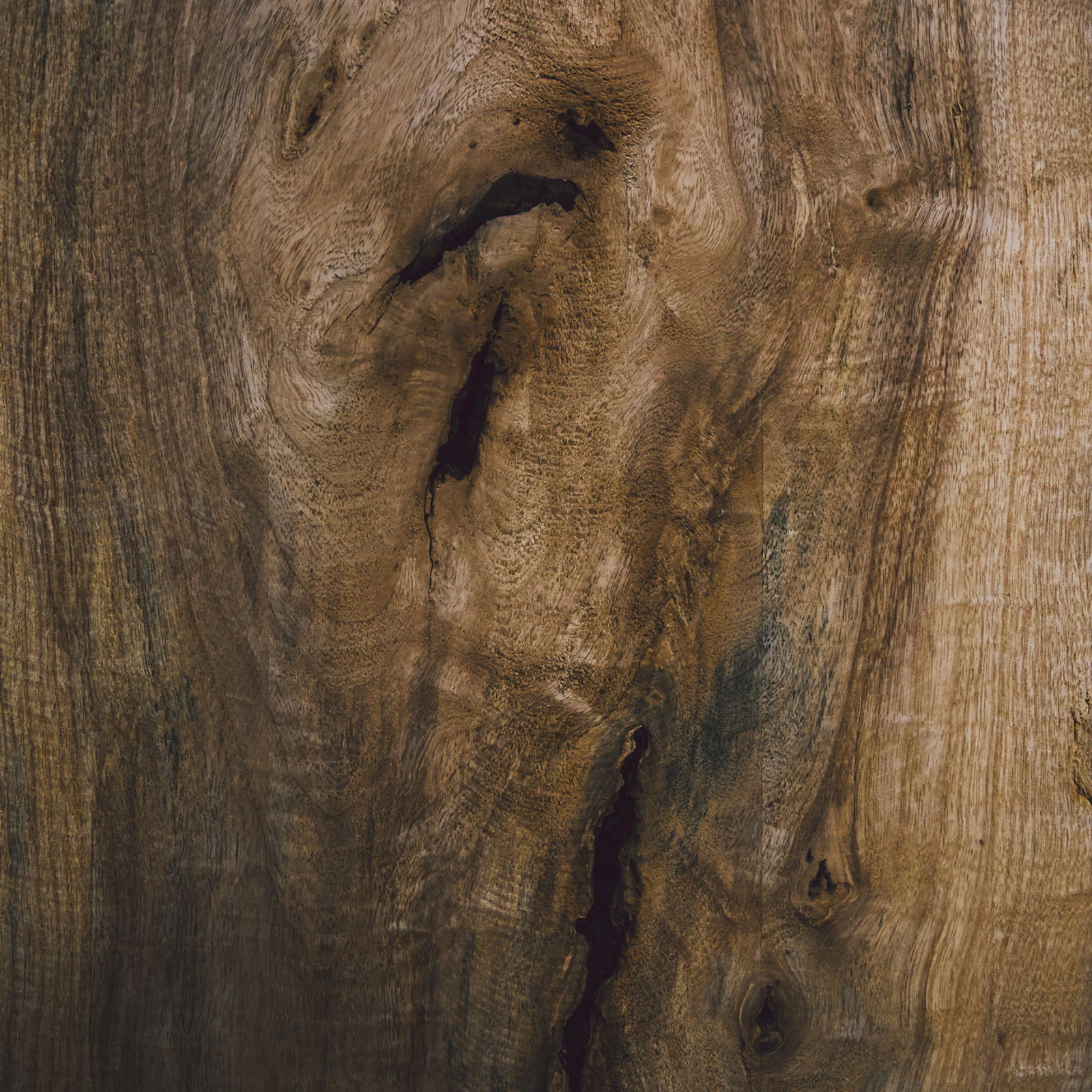
Build your palette around a wood vanity when you want a quieter alternative to painted cabinetry. Start with the grain and tone you enjoy, then place countertop, flooring, and wall samples beside it. Aim for a relationship between the finishes rather than an exact match.
One possible combination is a pale wood cabinet, creamy walls, and a simple white countertop. For a moodier interpretation, try a deeper wood tone with muted green walls and understated metal hardware. Keep the mirror relatively plain if the grain is already visually active.
Pay attention to the cabinet front as a complete composition. Look at where grain changes between doors, drawers, and side panels, especially if you will see the vanity from the hallway. Request photographs of the actual finish or inspect a sample instead of relying entirely on a small screen image.
Wood also calls for realistic care expectations. Avoid standing water on wood bathroom vanities because direct water exposure can wear the finish; follow the care instructions for whichever cabinet you choose.
Finish the arrangement with a soap dispenser that sits securely on a washable tray. Keep a hand towel within easy reach so guests do not have to reach across the cabinet with wet hands. Let the wood remain the main decorative detail rather than covering the counter with accessories.

Choose a painted vanity when you want the cabinet itself to set the mood. Consider an earthy red, inky blue, smoky green, or warm ocher, then build a restrained palette around it. A compact cabinet is a manageable place to explore a color you might hesitate to use across a larger room.
For your own scheme, try one of these directions:
Test samples beside the floor and countertop, under the lighting you actually use. View them from the doorway as well as directly beside the sink. Before repainting an existing cabinet, identify its surface material and use a compatible preparation and coating system. Follow that system’s instructions rather than assuming wall paint will suit the job.

Change the vanity hardware if you want a noticeable upgrade without replacing the cabinet. Knobs and pulls sit directly in the line of sight at the sink, and their finish and shape can shift the room toward modern, traditional, or more tailored.
Start with what the cabinet already dictates. Measure existing hole spacing (center-to-center) on pulls and note whether you are working with knobs, pulls, or a mix. If you want to avoid refinishing, choose hardware that matches the existing holes. If you plan to change the layout, be ready to fill and touch up old holes so the update looks intentional rather than improvised.
Use hardware to clarify the style direction:
Coordinate with what you cannot easily change. If the faucet finish is staying, matching it is the simplest route, but you can also repeat the hardware finish in the mirror frame or lighting so it feels deliberate. If you choose mixed metals, keep the mix limited and consistent in placement, such as one finish for plumbing and one finish for decorative elements.
Finally, check comfort and proportion. Handles should feel good in the hand, especially on drawers you open daily. Scale hardware to the vanity front: small knobs can look fussy on wide drawers, while oversized pulls can overwhelm narrow doors. Before drilling, tape paper templates in place and view them from the doorway as well as up close at the sink.


Make the countertop your focal point if you love expressive veining, a strong color, or an unusual edge profile. Start with that surface and keep the cabinet front uncomplicated. A plain painted base gives you room to enjoy the material without asking every element to compete.
Look at a substantial sample before committing. If you are choosing natural stone, ask to see the actual piece intended for your project and discuss where the sink opening and exposed edges will fall. Decide which portion of the pattern you most want to see when standing at the doorway.
A backsplash can become part of the composition rather than a separate finishing strip. Consider continuing the countertop material upward in a simple rectangle or a gently shaped profile.
Balance appearance with maintenance before making the final choice. Penetrating sealer can help resist stains but does not prevent acid etching; ask your supplier for care requirements specific to your selected surface.
For the rest of the room, choose supporting details from the countertop’s quieter tones. Leave most of the surface clear, and select a soap tray that will not conceal the very pattern you chose to showcase.

Explore a rounded cabinet, a bow-front vanity, or an oval basin if your preferred room design feels too rigid. Choose one curved element first and develop the arrangement around it. You do not need to repeat the same shape in the mirror, faucet, lighting, and accessories.
For example, pair a curved-front vanity with a rectangular mirror and understated wall lights. Alternatively, keep a straight-sided cabinet and introduce an oval undermount basin. Both approaches give you a clear design decision without requiring a room full of sculptural pieces.
If a vessel basin appeals to you, evaluate the complete sink-and-faucet combination before ordering. Compare the basin rim height with the faucet’s outlet height and reach, and check the manufacturer’s compatibility guidance.
Mock up the arrangement if possible. Place a similarly sized bowl on a surface at the proposed height and consider where your hands would go, how you would reach the controls, and where soap would sit. This is not a substitute for installation specifications, but it can help you recognize an awkward layout.
Keep counter space in the decision, too. Reject a basin that leaves no sensible place for the everyday items you intend to keep beside it.

Change the lighting if the vanity looks flat, unflattering, or visually disconnected from the rest of the powder room decor. In a compact room, the light around the mirror is often more noticeable than the faucet or hardware, and it can elevate a simple cabinet as effectively as a new finish.
Start with the mirror zone rather than the ceiling fixture. A single overhead light can cast shadows across the face, while light placed at the sides (or integrated into the mirror) tends to be more even. If you have space, consider a pair of sconces flanking the mirror; if you do not, choose a wide, well-shielded bar light mounted above the mirror so the beam spreads downward and outward rather than creating glare.
To make the update feel intentional, plan the lighting and vanity as one composition:
Control matters as much as the fixture. Add a dimmer so the room can shift from bright task light to softer evening light, and verify the dimmer is compatible with the bulb or integrated LED. If the powder room is used by guests at night, a dimmer also helps avoid harsh light when entering from a darker hallway.
Finally, confirm practical constraints before purchasing. Check electrical box location, vanity width, and mirror height so the fixture does not crowd the ceiling or collide with the mirror frame. Use fixtures rated for bathroom conditions as recommended by the manufacturer, and have a licensed professional handle any wiring changes. When the lighting is correct, the vanity reads as a finished focal point rather than a stand-alone cabinet.

Try wallpaper when you want the vanity to feel intentional and finished without changing the cabinet itself. A bold pattern behind the mirror and sink can create a focal wall, while a softer texture can add depth in a room that might otherwise read as flat. Because powder rooms are typically used briefly, they are also one of the few bathroom spaces where you can comfortably lean into a strong pattern.
Start by deciding what role the wallpaper will play. If the vanity is simple and modern, wallpaper can supply the drama. If the vanity already has pronounced grain, a fluted front, or a patterned stone top, choose wallpaper that supports rather than competes. The goal is one clear headline and one clear supporting cast.
Use one of these approaches to keep the result cohesive:
Plan the installation around the vanity composition rather than treating it like a separate decorating step. Consider where seams will land relative to the mirror, sconces, and faucet. If the paper has a large repeat, confirm how the pattern will align at the mirror's centerline so the view from the doorway feels deliberate.
Finally, think through durability and maintenance. A powder room sees splashes at the sink, so verify the wallpaper's clean ability and the installer's recommended adhesive, especially near the backsplash line. Even when wallpaper is washable, keeping soap and water off the wall is easier if you include a small backsplash or a narrow stone ledge and keep the countertop accessories contained on a tray.

Consider incorporating texture through cabinetry, tile, or wallpaper when you want to add depth and visual interest to your powder room. Explore narrow vertical grooves, broader channels, softly rounded reeding, dimensional tile, or textured wallpaper to create a look that feels intentional. Compare samples alongside your flooring, countertop, and wall finishes to ensure the materials complement one another without overwhelming the space.
Balance is essential when combining textured materials. If you choose a statement wallpaper, consider keeping the vanity and tile relatively simple. Similarly, a heavily textured cabinet may work best alongside understated wall finishes. Mixing materials can create visual interest, but selecting one dominant feature helps maintain a cohesive design without overwhelming the eye.
Inspect the construction, durability, and maintenance requirements of each material before making your selection. For textured cabinetry, ask about the material, edge finishes, and recommended cleaning methods. When selecting tile, consider grout lines, surface texture, and ease of cleaning.
Request samples whenever possible and view them in your powder room under both natural and artificial lighting. Pay attention to how the textures interact, how their colors shift throughout the day, and whether the materials still appeal to you up close.
Complete the design with hardware and accessories that complement your chosen textures. Simple knobs, discreet pulls, and streamlined fixtures can balance more intricate surfaces. Whether you highlight a textured vanity, decorative tile, or statement wallpaper, allow the surrounding elements to support the design rather than compete for attention.

Consider retaining your existing vanity if its size, condition, and storage still work for you. Begin by identifying what actually feels wrong: the finish, hardware, mirror, countertop, or the combination. Avoid replacing a useful cabinet solely because the surrounding arrangement feels unfinished.
Build a small sample board before buying anything. Place the existing countertop color beside proposed paint, hardware, and wall samples. If you cannot change the top, make it part of the palette rather than choosing finishes that fight it.
Then work through the updates in a sensible order:
Finish by reviewing the vanity from the hallway. Move or remove anything that distracts from the change you wanted to make. An edited arrangement may suit the room better than adding another decorative purchase.
Choose the idea that resolves your room’s main limitation while giving you a detail you enjoy seeing. Start with fit and storage, then decide whether color, material, shape, or a surrounding update should provide the personality. You can combine ideas, but give one of them the leading role.
Use this final check before committing:
Gather samples in the room and review them together, rather than approving each item separately. Ask your installer to check the proposed vanity, sink, faucet, and plumbing arrangement before you order. Keep the guest experience simple: an obvious towel, accessible soap, and a clear place to stand.
The strongest powder room vanity ideas balance something memorable with something practical. Choose the feature you love, protect the room’s everyday usefulness, and stop adding details once the space feels complete.