American homeowners are renovating with more intention than ever, investing in comfort, longevity, and sustainability rather than chasing what's trendy. Here's what we're seeing on the ground, and what it means for your next project.
Something has shifted in how Americans think about their homes. After years of asking 'what will
buyers want?' the question has quietly become 'what do we actually need?' The result is a renovation market that's larger, smarter, and more personal than it's been in a decade.
Harvard's Joint Center for Housing Studies says that homeowners are expected to spend $522 billion on improvements each year by the end of 2026. That's not just a big number; it reflects a cultural shift. People are choosing to invest in where they are instead of moving on.
With high mortgage rates making moves feel financially risky, homeowners are redirecting that energy into the spaces they already have. They're bundling projects together, doing the kitchen and the primary bath in the same season, and planning further in advance than ever before.
If there's one macro-trend defining renovation in 2026, it's that sustainable building has moved from differentiator to expectation. Energy-efficient windows, heat pumps, solar panels, smart thermostats, and no-VOC materials aren't amenities anymore; they're the baseline for any well-considered renovation.
Smart home systems watch energy use and adjust climate control. They help homeowners save money and reduce their impact on the environment. Water conservation is now common. Dual-flush toilets, low-flow faucets, and smart watering systems are standard features, not just extras.
What This Looks Like at Sustainable 9
Every project we take on includes an energy audit and a sustainability roadmap from day one. We don't bolt green features onto a conventional design; we build sustainability into the structure of the project itself, from material sourcing to mechanical systems to long-term maintenance planning.
Interior finishes are trending toward eco-friendly materials: bamboo flooring, recycled glass countertops, and low-VOC paints. We're also seeing a broader shift away from fast furniture and fast finishes; homeowners are investing in solid pieces and quality materials that can be repaired, refinished, and repurposed rather than replaced.
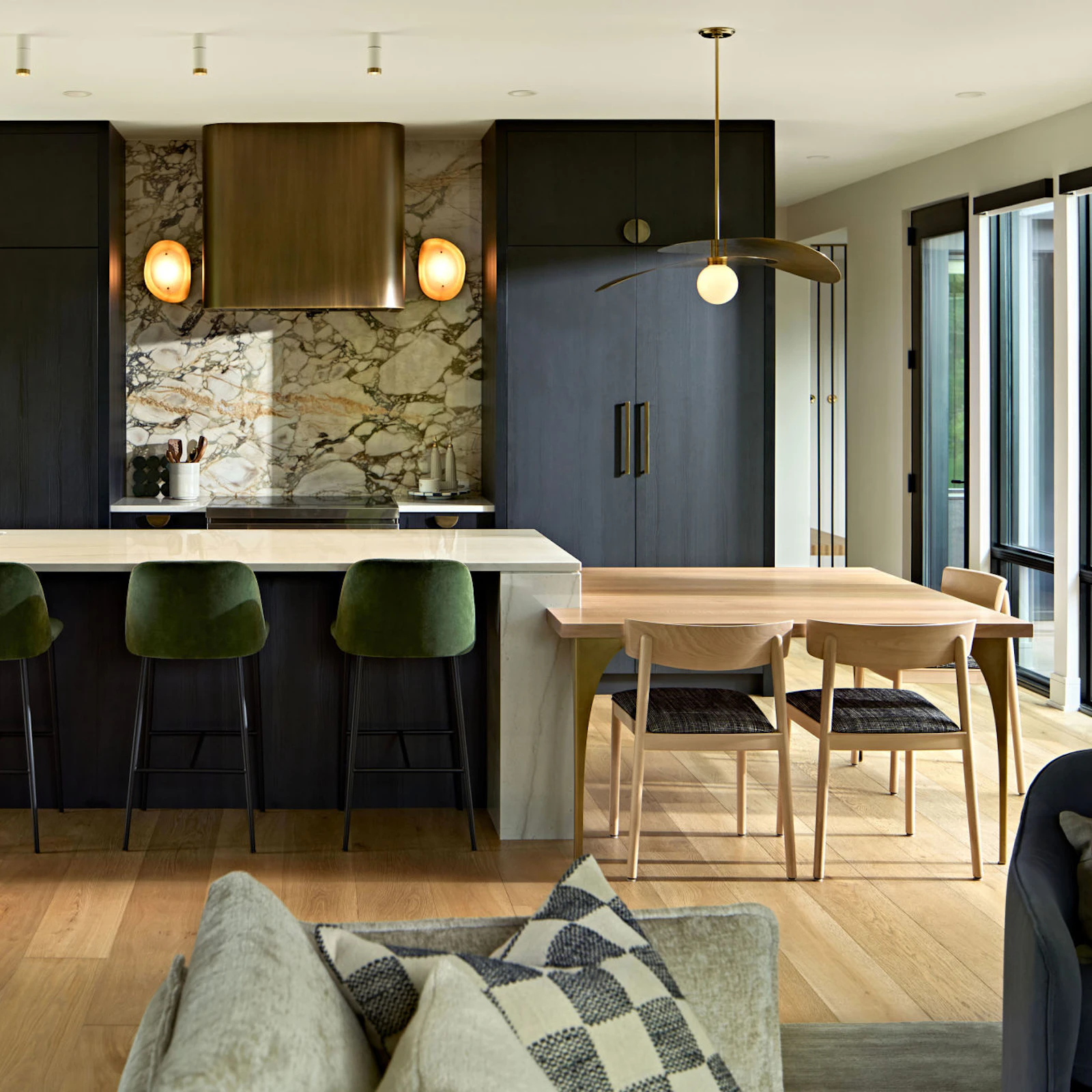
The all-white kitchen had a good run, but it's over. The design direction heading into 2026 is earthy, warm, and tactile, with rich clay tones, olive cabinetry, warm wood accents, muddy blues, and terracotta. For the past two years, paint companies and material makers have been focusing on this trend. Now, it is becoming common in American kitchens.
Function is driving layout decisions more than ever. Homeowners want kitchens that support how they actually cook, better traffic flow, closed cabinetry with integrated storage to reduce visual clutter, and quartz countertops that hold up to daily life. Layered lighting, which includes ambient, task, and accent lighting, is essential. It makes a space easier to use as well as more attractive.
Bathrooms as Sanctuaries
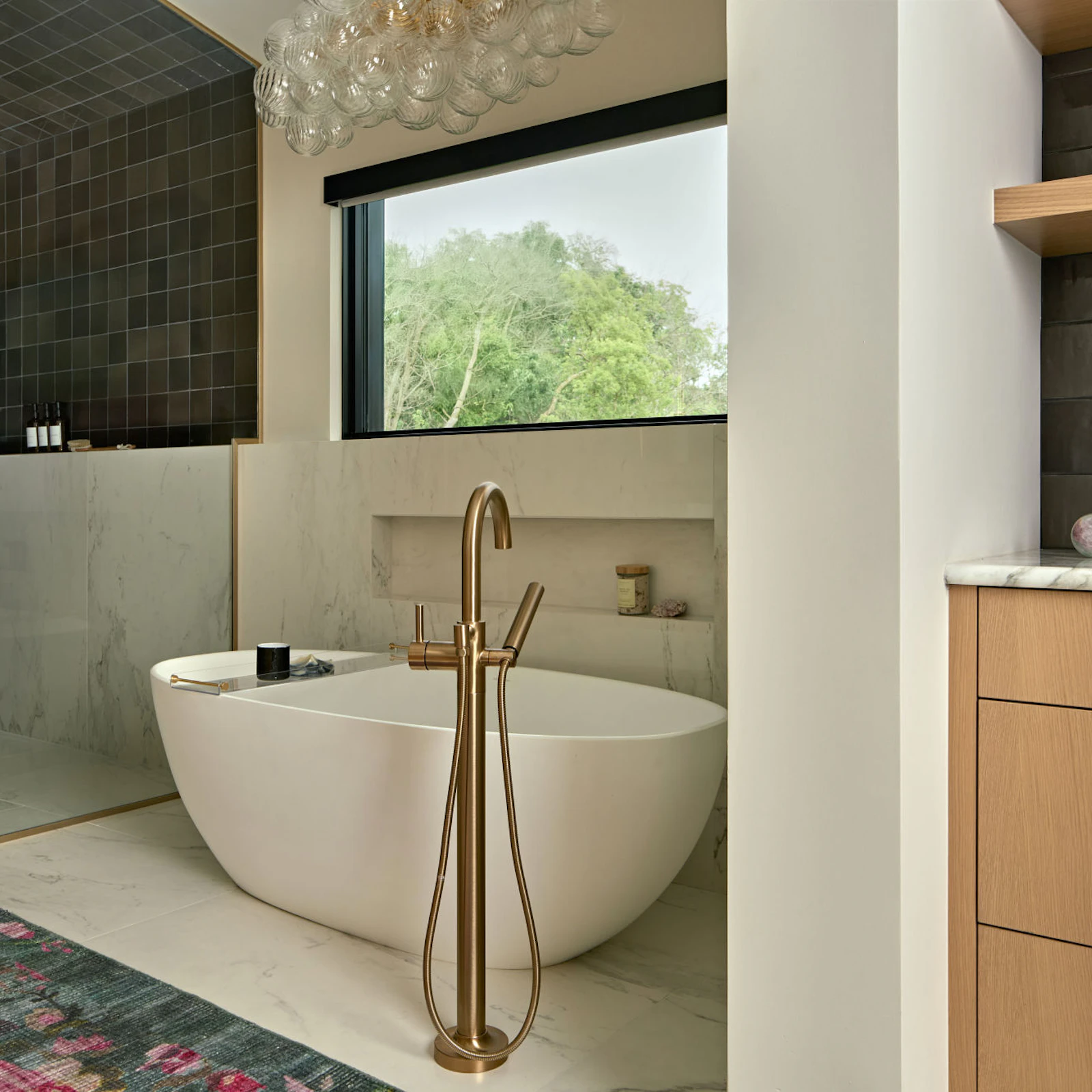
The primary bathroom is becoming one of the most intentional spaces in the home. Spa-inspired wet rooms, steam showers, soaking tubs, walk-in showers with quality fixtures, and warm stone or wood accents; these aren't luxuries. They're investments in rest, routine, and mental health that homeowners are prioritizing now that the bathroom has been properly elevated in renovation conversations.
"The era of cold grays and stark minimalism is fading. What homeowners want now is personality, depth, and tactile richness, a home that actually feels like theirs."
Outdoor spaces have graduated from "nice to have" to "must design carefully." In 2026, outdoor living trends are focused on creating genuine extensions of the interior, covered patios, outdoor kitchens built for regular use, defined seating areas that work across seasons, and seamless transitions between indoor and outdoor finishes.
This isn't just about aesthetics. Homeowners are reporting that their outdoor spaces are among the highest-joy renovations they've made; the NAR Remodeling Impact Report gives outdoor living projects a joy score of 10/10. Done well, they add daily usability, seasonal versatility, and measurable property value.
The Indoor-Outdoor Connection
The most successful outdoor projects we've designed share one quality: they feel like the home extended outward, not like a separate zone bolted on. That means consistent material language, thoughtful transitions, and lighting that bridges interior and exterior rather than treating the threshold as a hard stop.
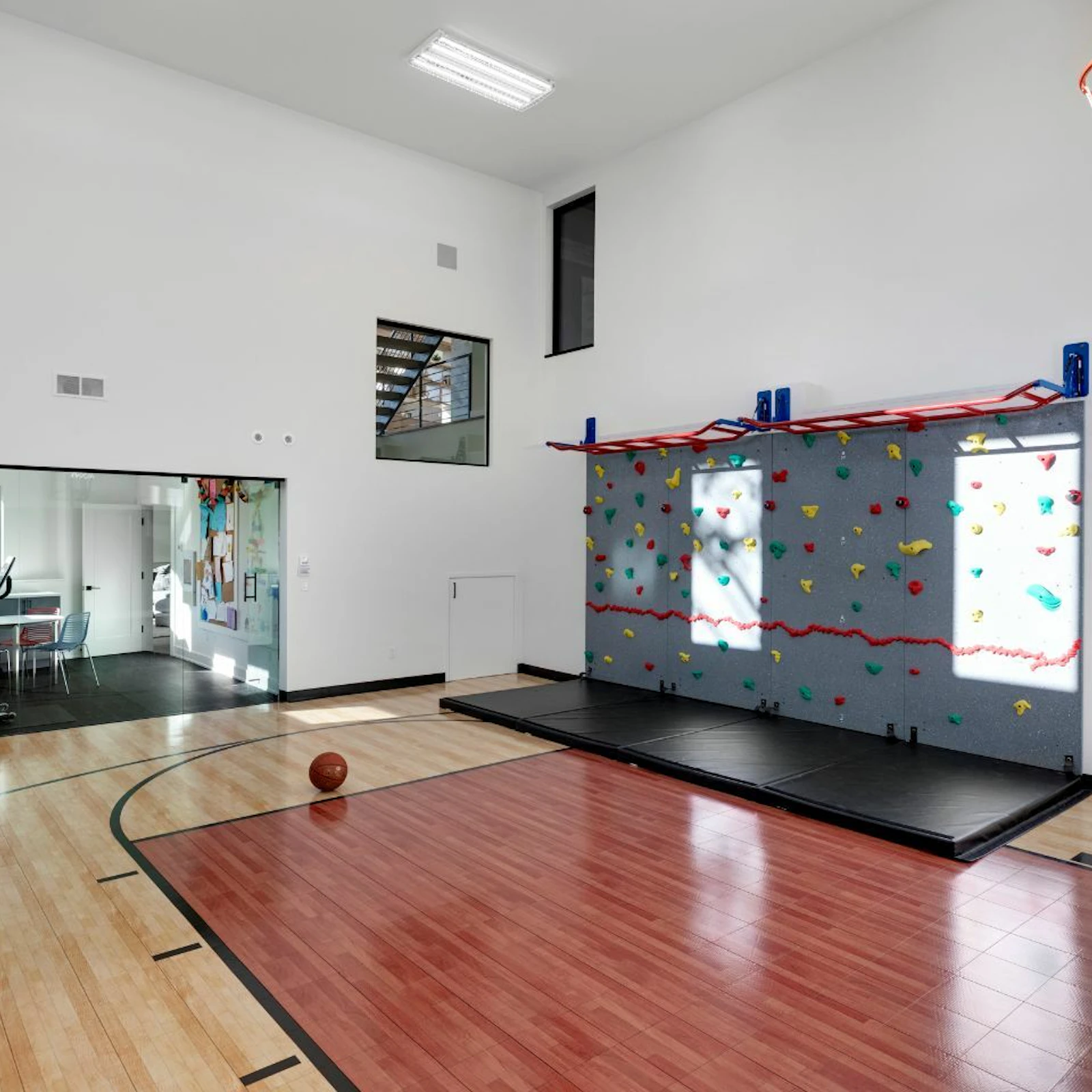
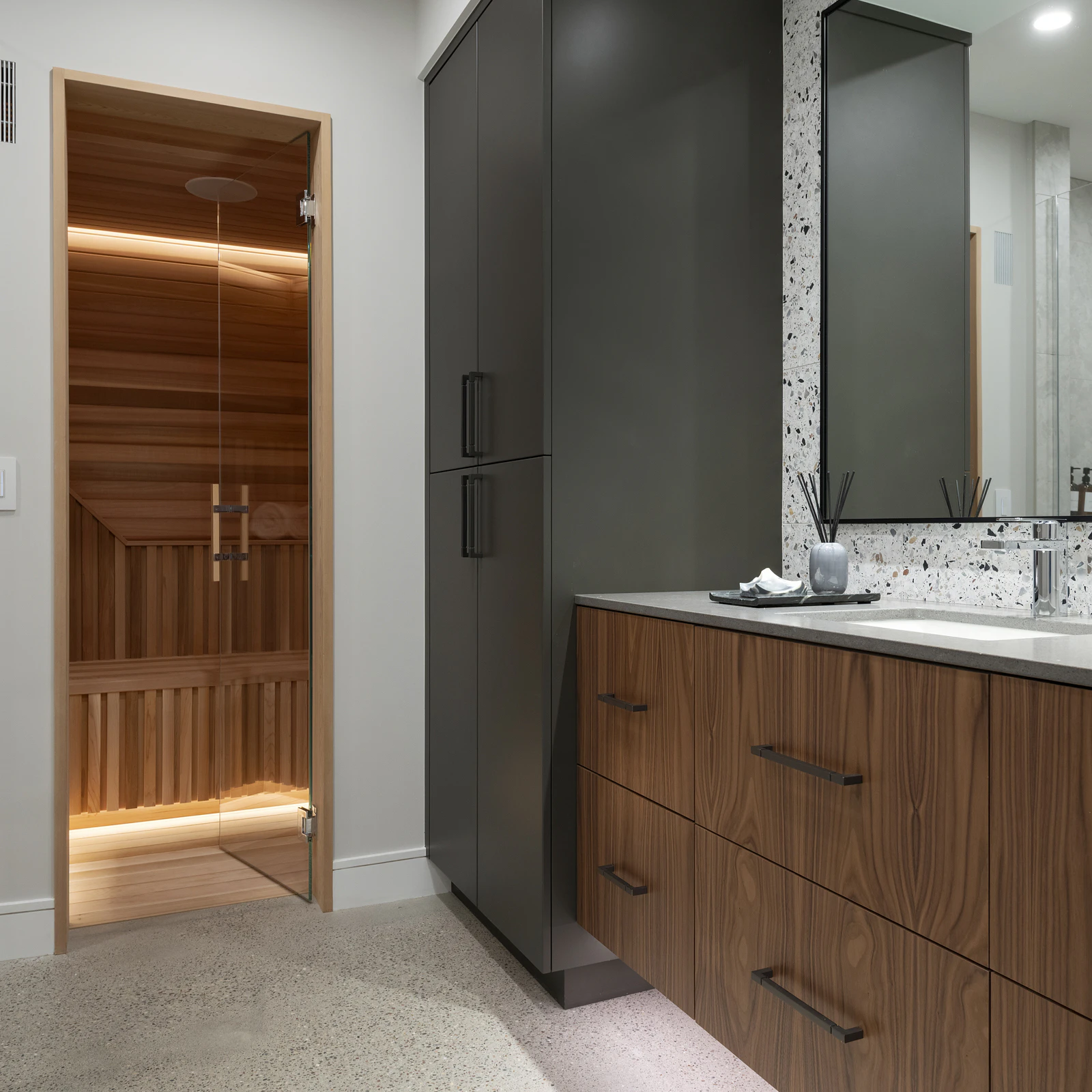
The pandemic permanently changed how Americans use their homes, and renovation patterns are still adapting to that reality. Dedicated wellness corners, saunas, home gyms, meditation spaces, and flexible work-from-home setups are in high demand, but the design challenge has matured. Homeowners no longer want a corner desk in a spare room. They want thoughtfully designed spaces that serve multiple purposes without looking like they do.
The "cloffice", a closet-turned-office, has evolved into sophisticated Murphy bed and convertible wall unit systems that transform a room from workspace to guest suite to hobby room depending on the hour. Basements are being repurposed into multi-use spaces with proper insulation, egress, and finishes that make them genuinely livable rather than just storage with drywall.
Smart homes are no longer about showing off gadgets. The direction in 2026 is integrated and invisible, automated systems that manage lighting, temperature, security, and energy use without demanding attention. Homeowners want to feel comfortable, not like they're operating a control room.
EV chargers are now a standard renovation add-on in new primary suites and garage projects. Level 2 chargers (starting at 40 amps) charge a vehicle up to ten times faster than a standard outlet, and as more households go electric, charging infrastructure is becoming as basic as a washer hookup. Solar panel integration, heat pump electrification, and high-performance triple-pane windows are also entering mainstream renovation conversations as homeowners look to reduce long-term utility exposure.
Perhaps the most important shift we're seeing isn't aesthetic at all; it's process. Homeowners who are getting the best results in 2026 are the ones who started the conversation six to twelve months before they wanted to break ground. Great design takes time. Permitting takes time. Material lead times are still longer than they were pre-pandemic.
At Sustainable 9, we believe the most meaningful renovations are the ones built around how you actually live, not around resale projections or trend cycles. Whether you're thinking about a kitchen overhaul, a full primary suite addition, or a whole-home sustainability upgrade, the process starts with a conversation.