By adding eco-friendly features to your home, you can lower energy use, reduce waste, and help the planet. Here are seven sustainable features to consider for your next home project.
Integrating smart home technology can significantly enhance the sustainability of your home.
Smart home systems can help monitor and manage energy usage from various appliances, enabling you to make informed decisions about energy conservation.
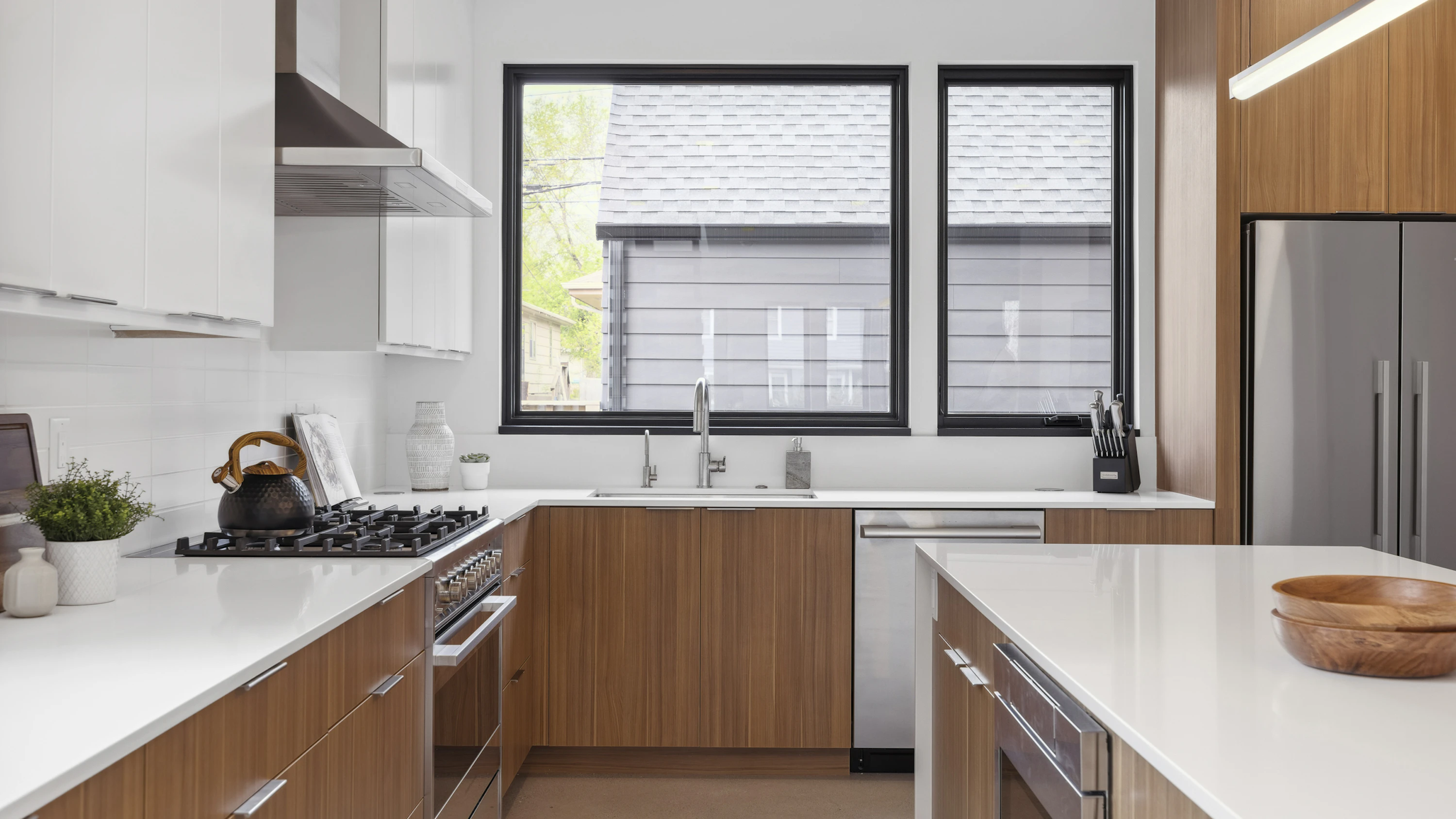
Energy-efficient appliances are a simple yet impactful way to make homes more sustainable. Traditional appliances consume a significant amount of energy, contributing to greenhouse gas emissions. By opting for energy-efficient models, individuals can reduce energy consumption and lower their utility bills.
Whether it's refrigerators, washing machines, dishwashers, or water heaters, replacing old, energy-guzzling appliances with efficient alternatives is a practical step toward a sustainable home.
Keeping heat inside during winter and outside during summer is key to saving money. Energy-efficient windows help reduce heat transfer and air leakage.
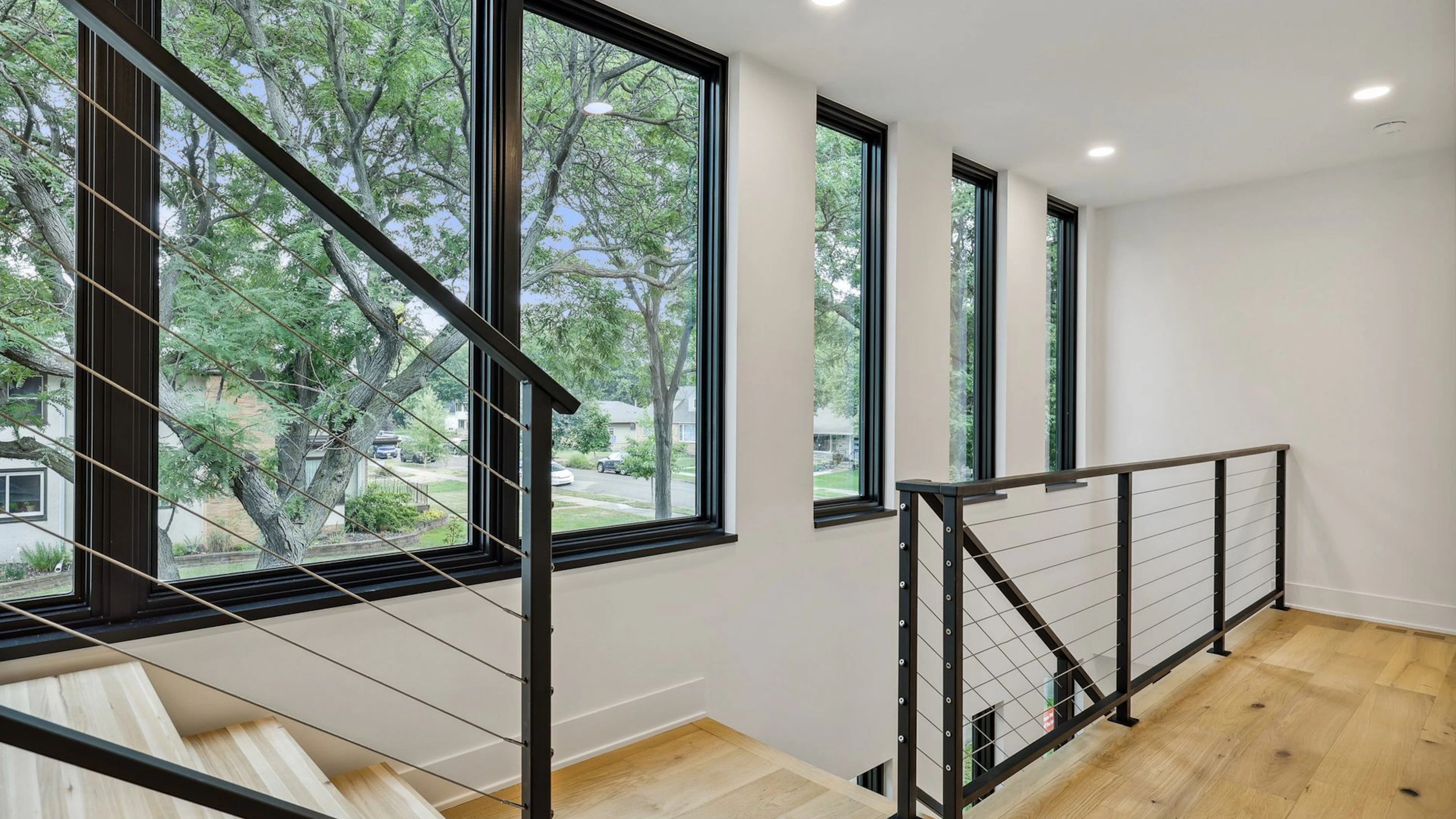
Heating, ventilation, and air conditioning (HVAC) systems are significant contributors to energy consumption in homes. Upgrading to high-efficiency HVAC systems can make a substantial difference in both energy usage and comfort. These systems are designed to deliver precise heating and cooling while minimizing wasted energy.
Advanced features such as zoned heating and cooling, smart thermostats, and variable-speed compressors provide optimal temperature control and energy savings.
Transform your rooftop into a thriving green space with a green roof installation. Green roofs consist of a layer of vegetation, soil, and drainage systems that cover the roof surface. They provide numerous benefits, including improved insulation, reduced stormwater runoff, and enhanced biodiversity.
Embrace the advantages of green roofs to make a sustainable statement with your home.

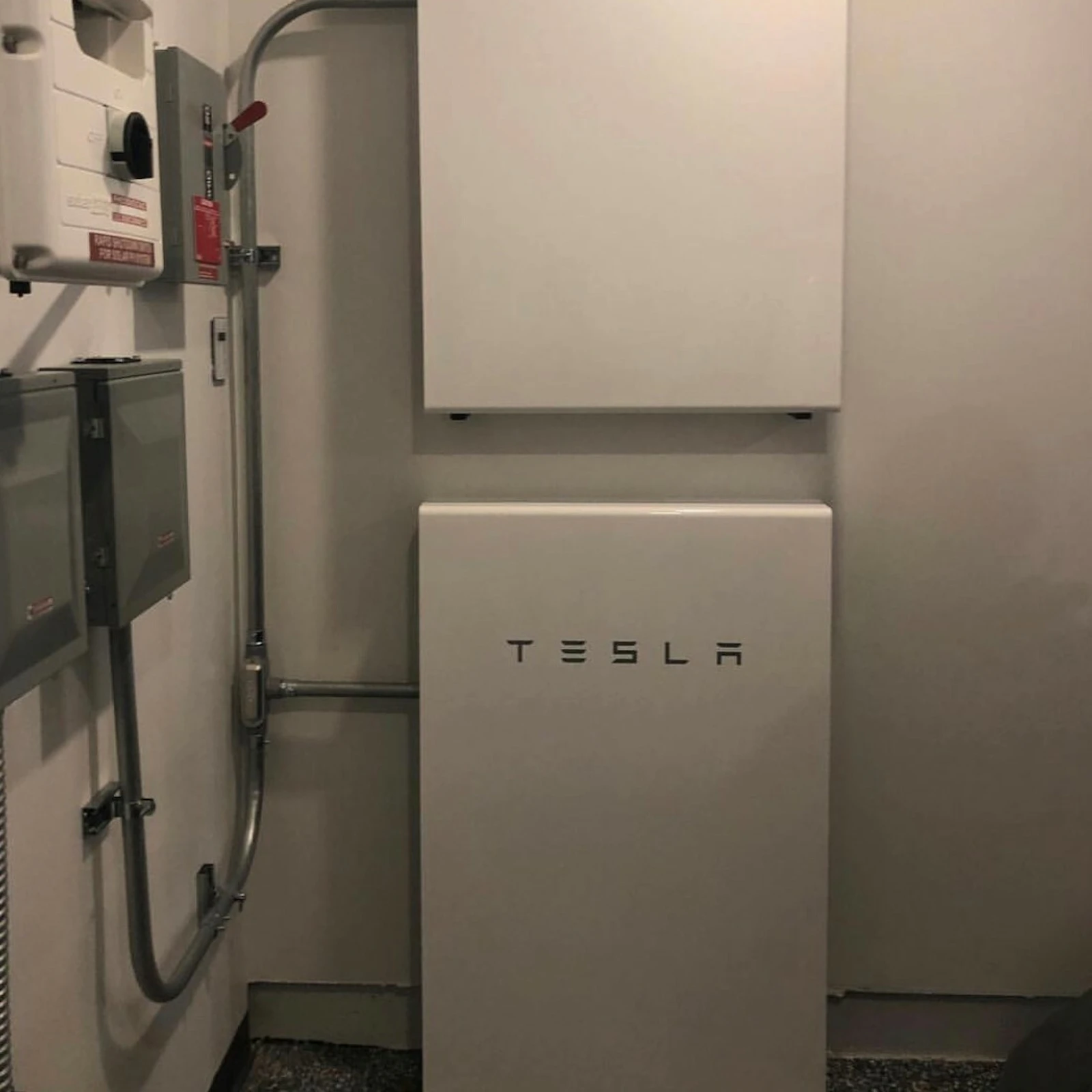
Solar panels are transforming the way we power our homes, capturing energy from the sun to provide a clean, renewable source of electricity. Beyond the environmental benefits, they offer long-term efficiency and greater energy independence.
For a more refined and resilient system, many homeowners are pairing their solar arrays with a Tesla Powerwall. This integrated approach allows you to store excess energy generated throughout the day and use it when it matters most, whether in the evening, during peak energy hours, or in the event of a power outage.
Geothermal heating and cooling is a sustainable home feature that taps into the earth's natural heat to provide year-round comfort. By utilizing a ground loop system, geothermal systems transfer heat energy, offering energy-efficient heating, cooling, and hot water. Benefits include:
While the initial installation cost may be higher, long-term energy savings and environmental benefits make geothermal systems a sustainable choice.
Creating a sustainable home is not only beneficial for the environment but also for those seeking to reduce their ecological footprint and save on energy costs. By incorporating even one or a few of these sustainable features into your home, you can make a significant contribution to a greener future.
Discover what sets Sustainable 9 apart from the competition and learn more about its approach to a variety of projects, from renovations to new constructions.