Imagine stepping onto a wrap-around porch at sunset, hearing the screen door gently click shut. Our interior designers believe that real farmhouse style is not just a trend. It is a way of building that uses honest materials and focuses on being practical for everyday life.
Crossing the "Visual-to-Function" bridge proves classic aesthetics effortlessly solve modern problems. Take the iconic gabled roof–those steep peaks don't just look beautiful on farmhouse design house plans. They create vaulted ceilings to help air move better. This supports three main ideas: light, flow, and durability.
Creating a floor plan from many farmhouse design ideas combines rustic style with useful features. This makes a home that feels classic and practical.

We’ve all seen beautiful open-concept spaces online, but making them work for everyday life requires deliberate planning. In modern farmhouse plans, architects use 70% of the space for open, bright areas where people can gather. The other 30% is for useful spaces, helping to keep the main areas tidy and organized.
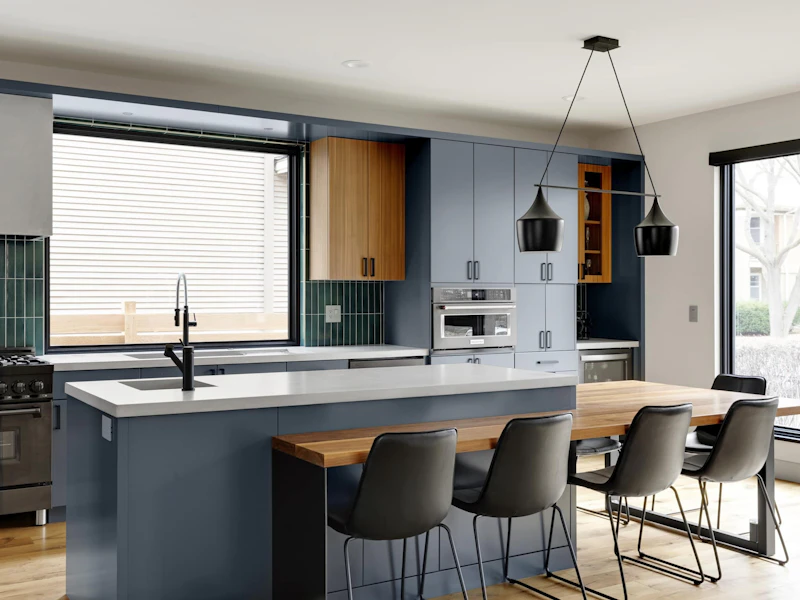
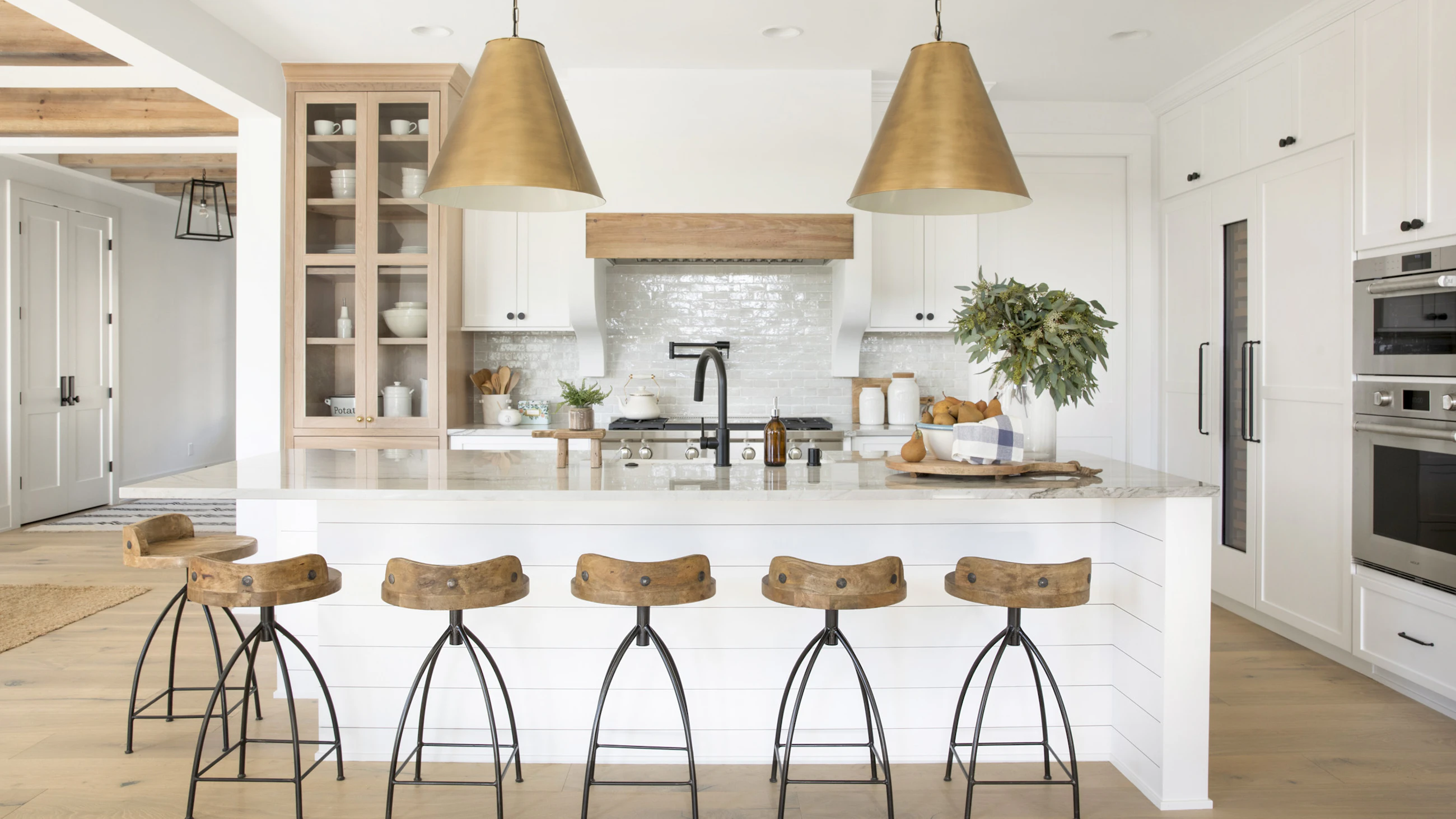
Nailing your farmhouse kitchen with an island means prioritizing durability and flow. Focus on these 3 must-have kitchen layout elements for hosting:
When researching farmhouse sink types, consider upgrading from standard porcelain to fireclay; it is a specialized clay fired at extreme heat to resist scratches from heavy cast-iron skillets.
Keeping that central island clear of blender cords and breadcrumbs requires a dedicated drop zone. Enter the "scullery." This is a classic term for a hidden pantry behind the kitchen. It’s a place to store small appliances and dirty dishes while you have guests over.
Getting the inside layout right helps with daily living. But real farmhouse living goes beyond the back door and into the outdoors.
Relaxing on a breezy evening quickly loses its charm when rocking chairs are crammed against the railing. To truly enjoy the benefits of a porch, you need a minimum depth of ten feet. Anything shallower forces furniture into a single-file line rather than allowing a comfortable conversational circle around an outdoor table.
Just as a sunflower tracks the light, smart farmhouse site planning positions your home to follow the sun. Orienting your layout so the kitchen and eastern porch face the sunrise guarantees bright, welcoming mornings. Furthermore, a deep porch roof on the south side naturally shades interior windows during hot summer afternoons, lowering cooling costs.
Capturing this classic charm doesn't require constant upkeep. Swapping traditional lumber for energy-efficient farmhouse building materials – like composite decking that mimics aged wood – delivers a timeless aesthetic without the annual staining. Moving from that pristine porch back inside, however, requires a strategic plan to handle the mess and protect your interior.

Walking inside with muddy boots and an armful of vegetables can quickly track chaos into the kitchen. Creating a highly functional transition space ensures your interior stays pristine.
To eliminate hallway clutter, successful mudrooms rely on a straightforward division of space. You can easily implement these 4 essential mudroom zones:
Protecting these walls requires durable materials, introducing a classic design choice: board and batten siding versus shiplap. While shiplap uses horizontal grooves, board and batten uses vertical strips that provide superior protection against scuffing boots.
Incorporating these vertical panels is one of the best farmhouse storage ideas for small spaces because it draws the eye upward, making tight areas feel larger. With the layout optimized for utility, the final step is selecting finishes that balance historic character with modern performance.
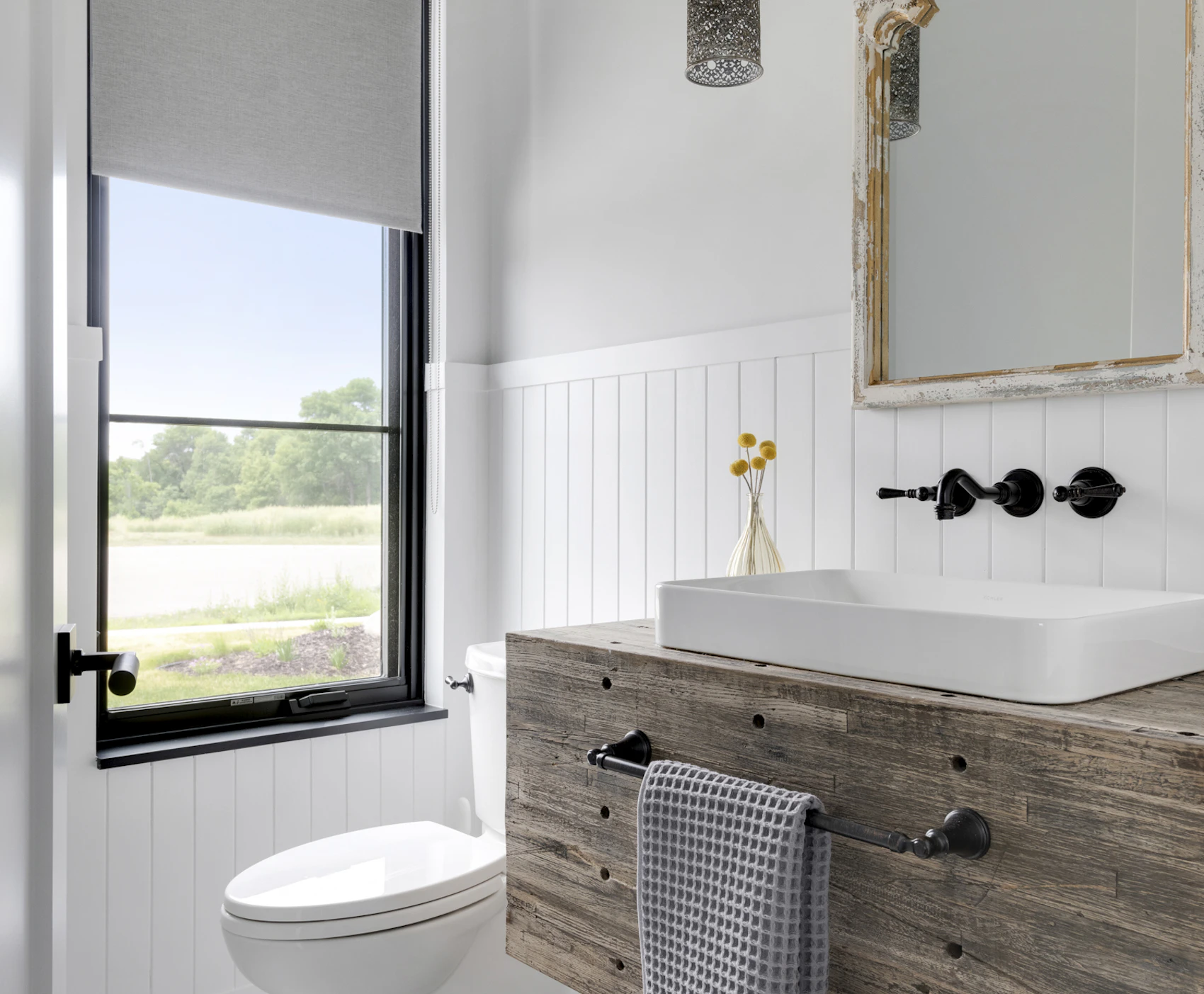
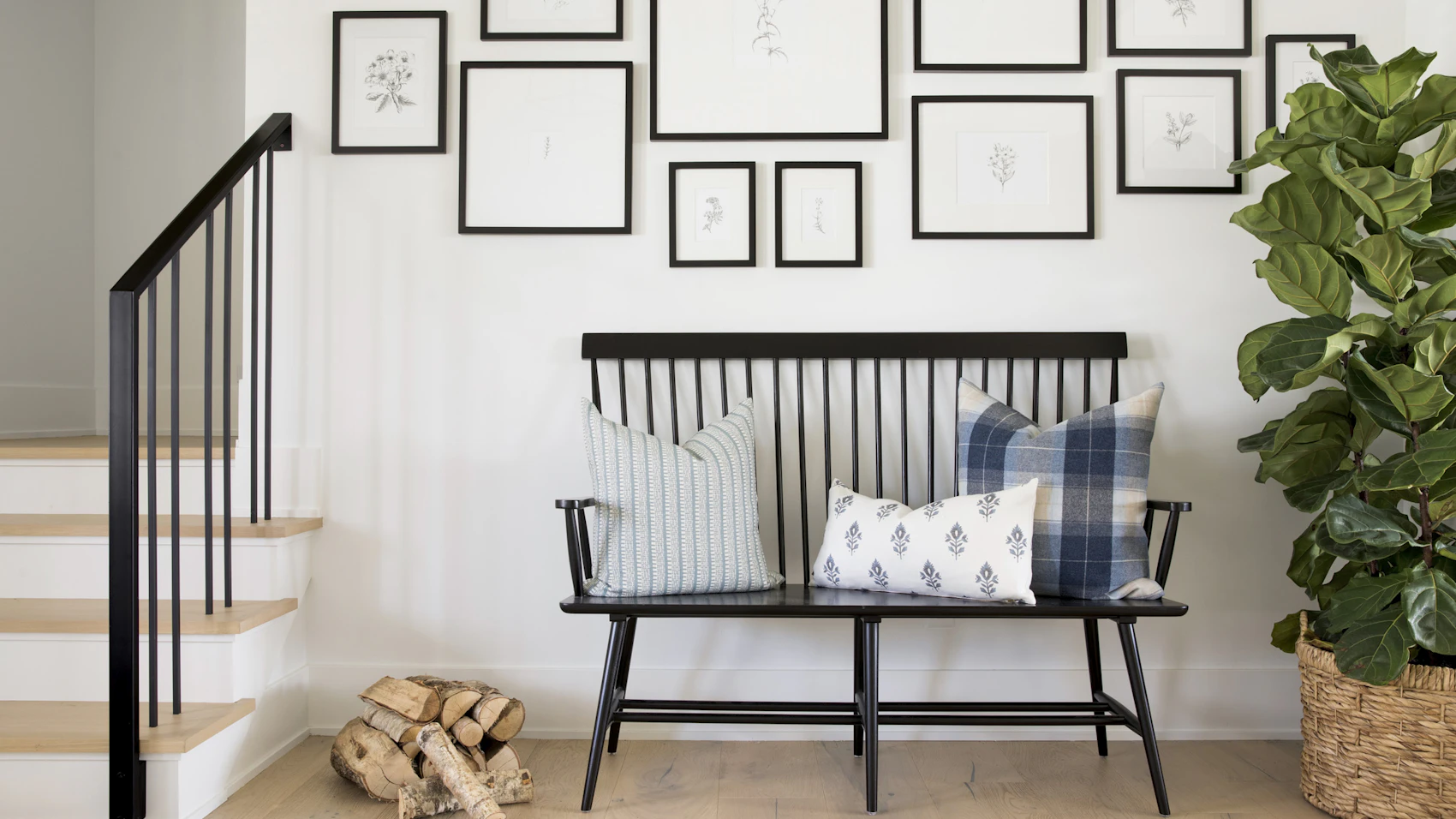
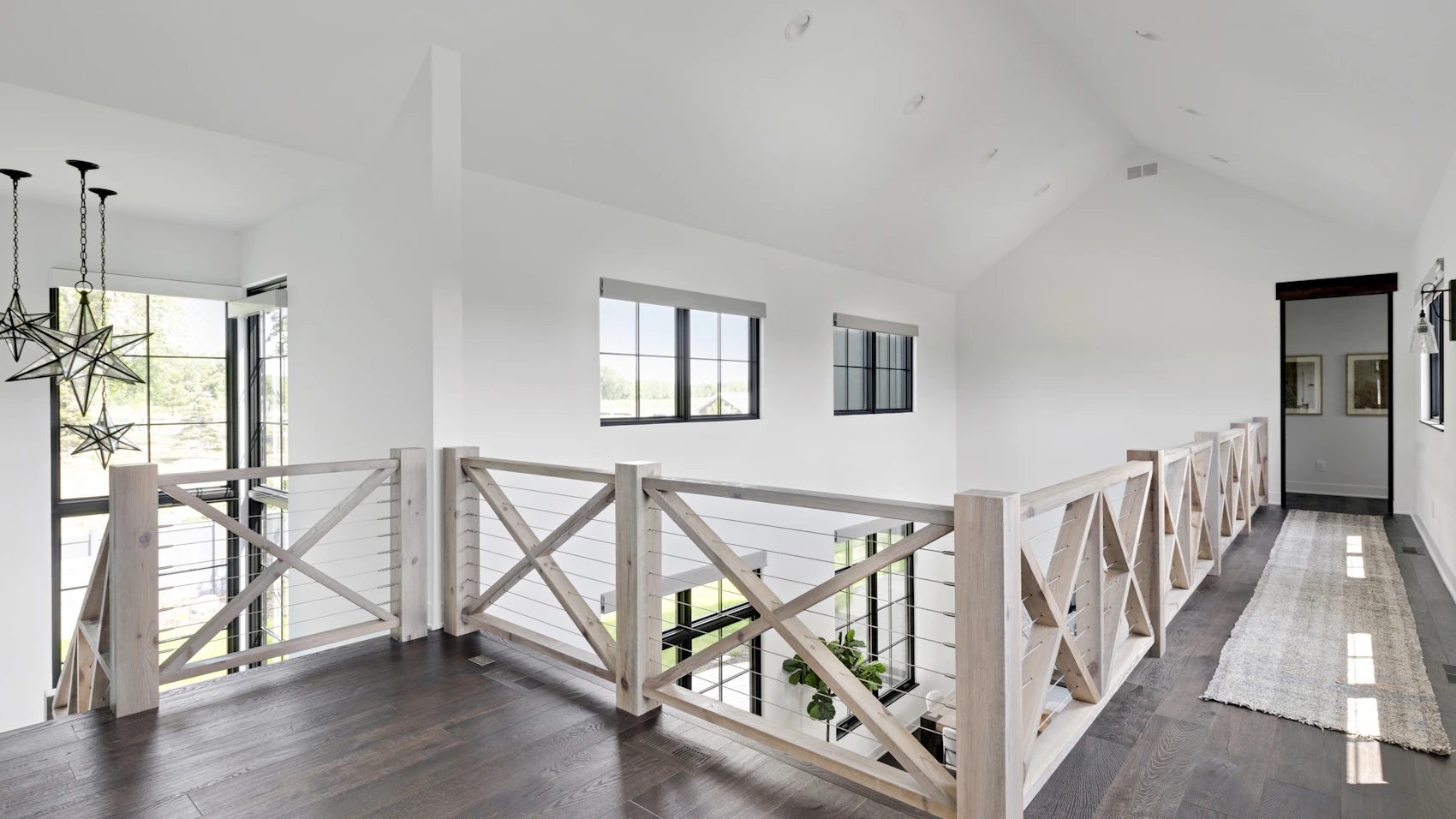
The ultimate challenge of the modern farmhouse is mastering the "beautifully lived-in" look without losing the crispness of a contemporary home. The secret lies in patina—that natural, aged wear that breathes soul into a space. By pairing the raw warmth of reclaimed wood flooring with the sharp simplicity of clean white walls, you create a foundation that feels both historic and remarkably fresh.
Illuminating the Heights
In homes with vaulted ceilings, that sense of history is often amplified by grand, sweeping peaks. However, without a strategic plan, these heights can feel like cold, dark caverns. To bridge the gap between the floor and the ceiling, designers utilize clerestory windows.
Placed high along the upper walls, these horizontal panes act as natural light prisms, flooding the room with brightness. They are the essential lighting solution for high ceilings, chasing away heavy shadows and ensuring the "airy" half of the farmhouse aesthetic is realized.
The Final Contrast
With the space bathed in natural light, you can lean into the contrast that defines the style. Rugged, tactile textures, like stone or weathered timber, pop beautifully against the sleek lines of modern metal fixtures.
This careful calibration of old and new ensures your home performs with the efficiency of new construction while maintaining the timeless, cozy embrace of a classic estate.
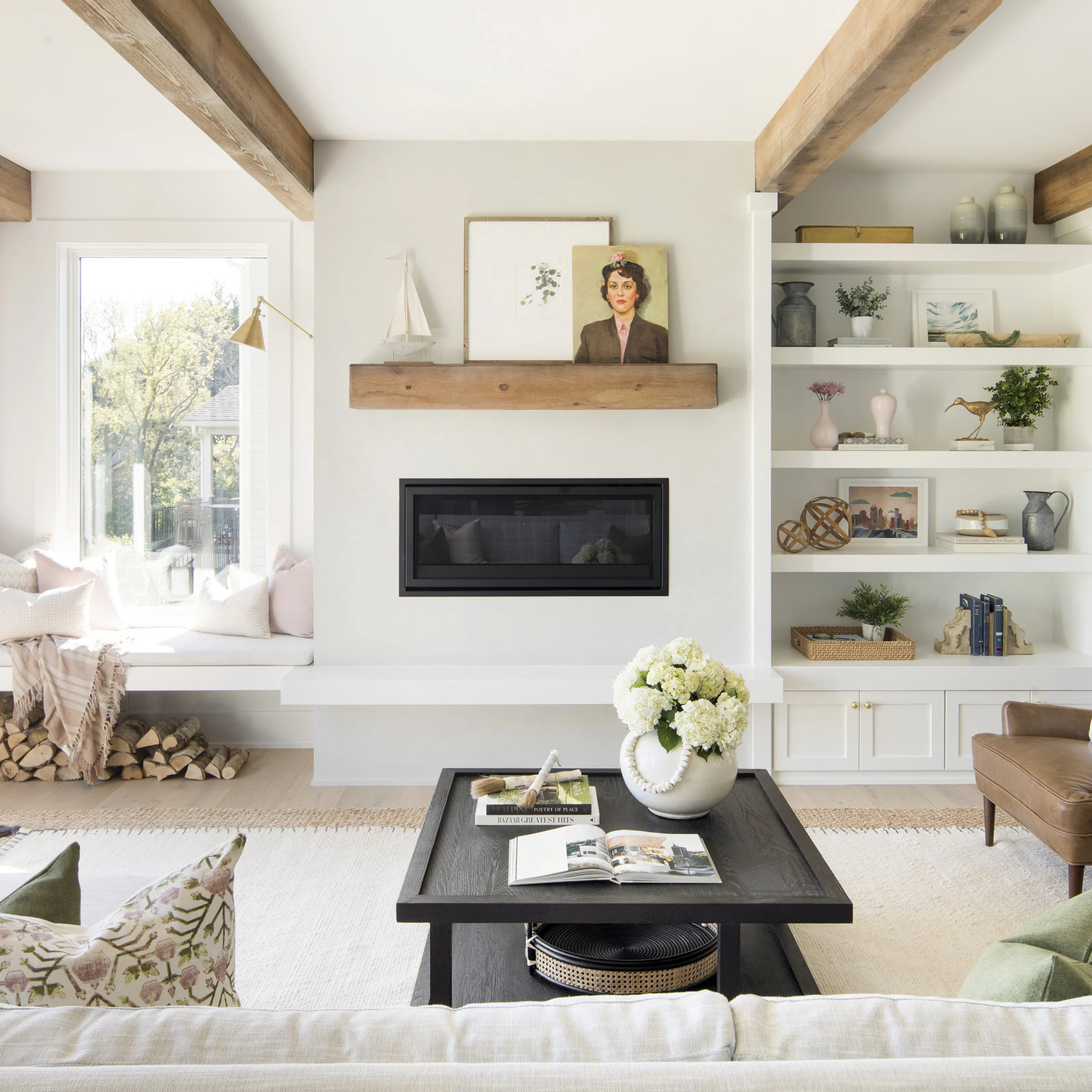
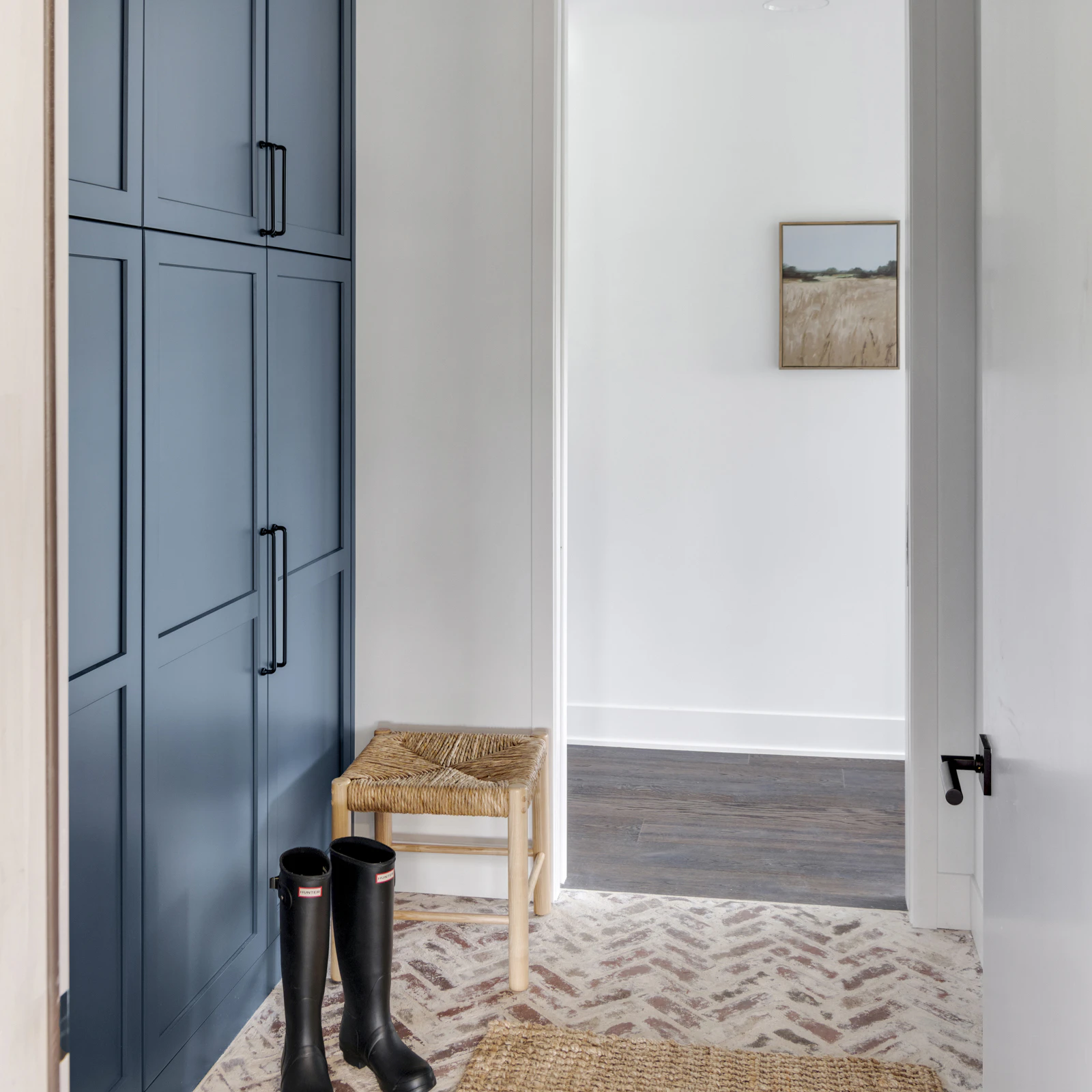
Transitioning from visual inspiration to concrete farmhouse construction plans means prioritizing daily livability and future resale value. A true dream home is built on smart decisions, balancing splurges with strategic saves, not just big budgets.
To master how to design a farmhouse floor plan, apply this framework to your farmhouse layout plans:
The most practical first step is to visit your building site at sunset. Observing exactly where the evening light falls provides invaluable insight before finalizing floor plans or purchasing materials.