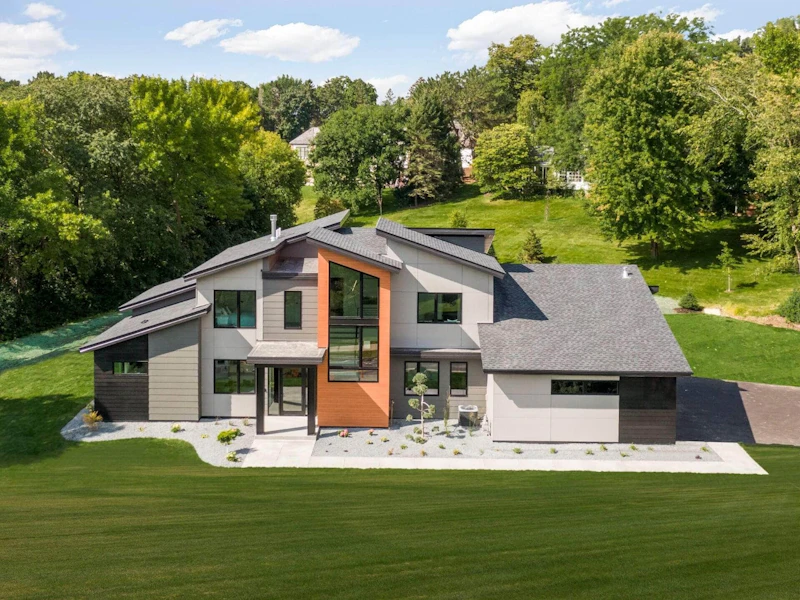
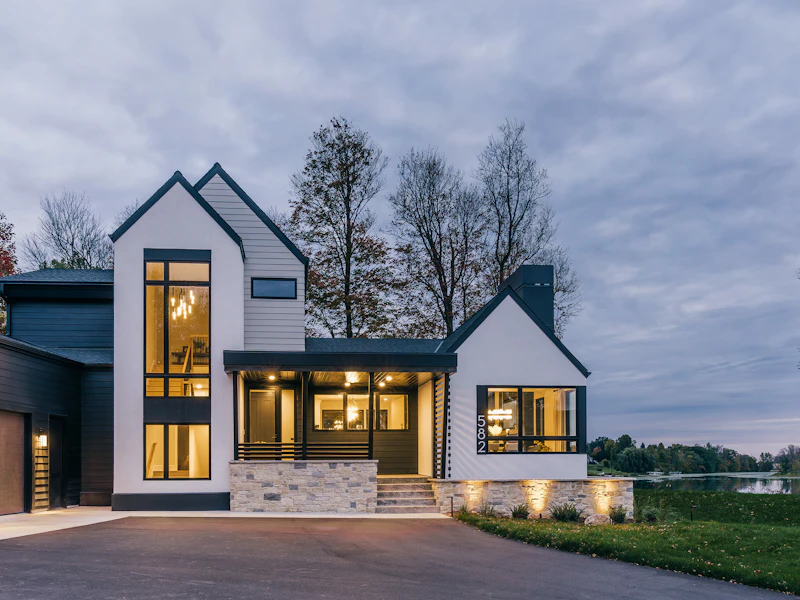
In the world of interior architecture and home styling, few terms are used as frequently – or misunderstood as often–as Transitional Design. If you find yourself drawn to the clean lines of a modern loft but still crave the cozy, lived-in feel of a classic estate, you’ve likely been a fan of this style all along.
This guide explores the definition, key elements, and practical applications of transitional design, explaining why it remains the top choice for homeowners seeking a timeless aesthetic.
Transitional design is a cohesive interior style that bridges the gap between Traditional and Modern/Contemporary aesthetics. It acts as a "middle ground," blending the elegance of the past with the sleekness of the present.
By stripping away the fussiness of traditional decor and softening the coldness of modernism, transitional style creates a space that feels both sophisticated and approachable.
To master this look, you need to understand the four pillars that define the aesthetic:
1. A Sophisticated Neutral Color Palette
The foundation of any transitional room is its color story. Unlike contemporary styles that may use bold pops of neon, or traditional styles that favor dark wood and jewel tones, transitional design relies on:
2. Clean Silhouettes with Gentle Curves
Furniture in a transitional home is characterized by its profile. You won't find the ornate, hand-carved flourishes of the 18th century, nor will you find the sharp, industrial angles of brutalist modernism.
3. High-Contrast Textures
Since the color palette is intentionally understated, texture becomes the primary tool for adding visual interest. A well-designed transitional space often features a mix of:
4. Minimalist Decor and Art
Transitional design adopts the "less is more" philosophy. Accessories are chosen with intention to avoid clutter.
Search data and design trends show that "transitional" is consistently one of the most searched interior styles. Here is why it resonates:

Transitional design isn't just a trend; it's a solution for the modern homeowner who values history but lives in the present. By focusing on balance, neutral tones, and textural richness, you can create a home that is as comfortable as it is stylish.
Key Takeaway: Transitional design is the "Goldilocks" of interior style – not too old, not too new, but just right for a timeless, elegant home.
If you love the timeless appeal of transitional design but aren't sure where to start, we can help. Our team specializes in creating sophisticated, functional spaces that reflect your unique style. Contact us today to get start on your home building journey.